

TL;DR:
- Preparing finances and documents early is crucial to avoid costly mistakes when buying in the UK.
- Online portals, estate agents, and viewings help buyers find and assess suitable properties efficiently.
- Legal checks, offers, and managing costs are complex steps requiring professional guidance for a successful purchase.
Buying your first home in the UK is one of the most significant financial decisions you will ever make, and it can feel genuinely overwhelming. Between mortgage jargon, legal searches, solicitors, surveys, and stamp duty, the process involves far more steps than most first-time buyers expect. Many people begin their search without knowing what documents they need or what a conveyancer actually does. This guide cuts through the confusion. We will walk you through every stage, from preparing your finances to picking up your keys, in plain English so you can move forward with confidence.
Table of Contents
- What you need before starting your property search
- How to search for property and book viewings
- Making an offer and understanding legal checks
- Managing finances: Mortgages, additional costs, and completion
- Why the UK home buying process feels tougher than it should—and how to stay in control
- Get professional help and resources for your home purchase
- Frequently asked questions
Key Takeaways
| Point | Details |
|---|---|
| Be fully prepared | Gather your finances, documents, and research before you start viewing. |
| Use the right tools | Combine online portals and local agents to find the best properties. |
| Never skip legal checks | Thorough conveyancing and searches protect you from costly surprises. |
| Anticipate all costs | Factor in taxes, legal fees, and insurance alongside your deposit and mortgage. |
| Stay proactive | Regularly follow up with agents and solicitors to keep your purchase moving. |
What you need before starting your property search
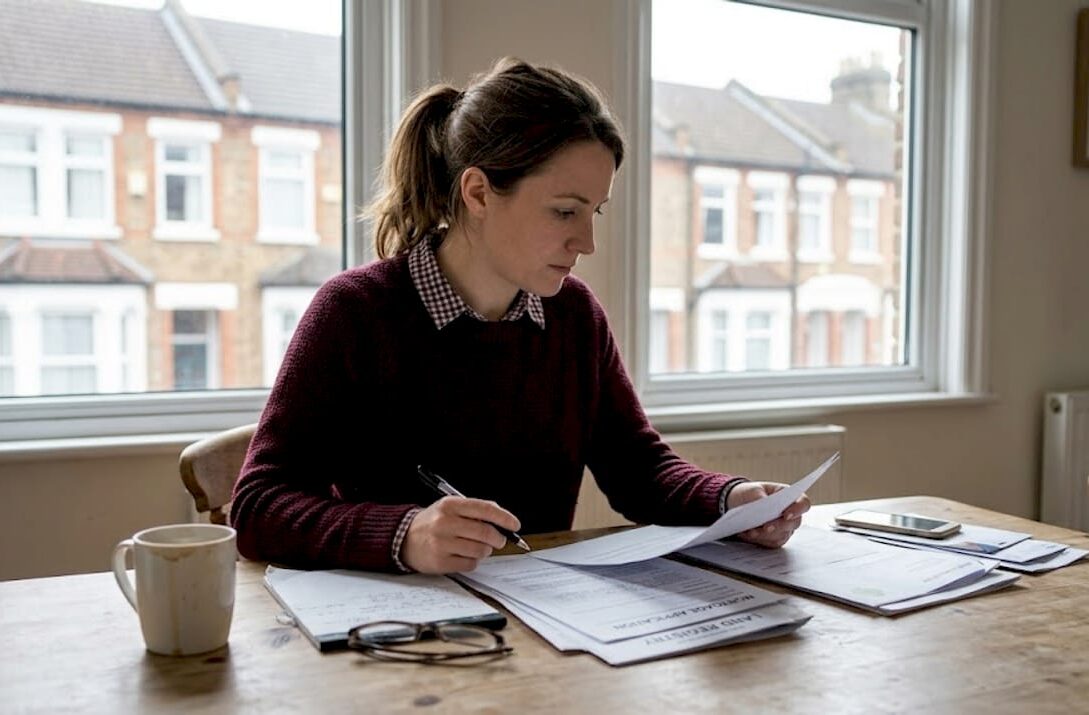
Now that you understand why first-time buyers can feel overwhelmed, let’s lay out what you need in place before you start searching. Skipping this preparation stage is one of the most common and costly mistakes buyers make. Getting organised early saves you time, stress, and potentially thousands of pounds.
Your finances come first. You will need a deposit, which is typically at least 5% to 10% of the property price, though a larger deposit secures better mortgage rates. Before any estate agent takes you seriously, you should also have a mortgage in principle (sometimes called an agreement in principle). This is a written statement from a lender confirming how much they are willing to lend you, subject to full checks. As part of a buying a home checklist, you will need proof of deposit, mortgage in principle, and ID to start seriously looking for property.
Pro Tip: Check your credit report at least three months before applying for a mortgage. Errors on your file are more common than you think, and correcting them takes time. Use free services like Experian or Equifax to review your score and address any issues early.
You should also factor in costs beyond the purchase price. Legal fees, surveyor costs, and stamp duty can add several thousand pounds to your total outlay. Review our investment checklist for buyers to make sure nothing catches you off guard.
Key documents you will need:
- Valid UK passport or driving licence (photo ID)
- Two recent utility bills or bank statements as proof of address
- Three to six months of bank statements
- Payslips or self-employment accounts (last two to three years)
- Proof of deposit source (savings statements or gift letter)
- Mortgage agreement in principle from your lender
| Item | Why it matters |
|---|---|
| Deposit (5–10%+) | Unlocks mortgage eligibility and better rates |
| Mortgage in principle | Shows sellers and agents you are a serious buyer |
| Photo ID | Required for anti-money laundering checks |
| Proof of address | Confirms your identity and residency |
| Solicitor contact | Speeds up legal work once an offer is accepted |
Deciding where to buy is equally important. Prioritise transport links, school catchment areas if you have children, and local amenities. Research the area thoroughly before committing to viewings.
How to search for property and book viewings
With your paperwork and finances in order, it is time to find and view potential homes. The UK property market moves quickly in many areas, so being prepared to act is a genuine advantage.
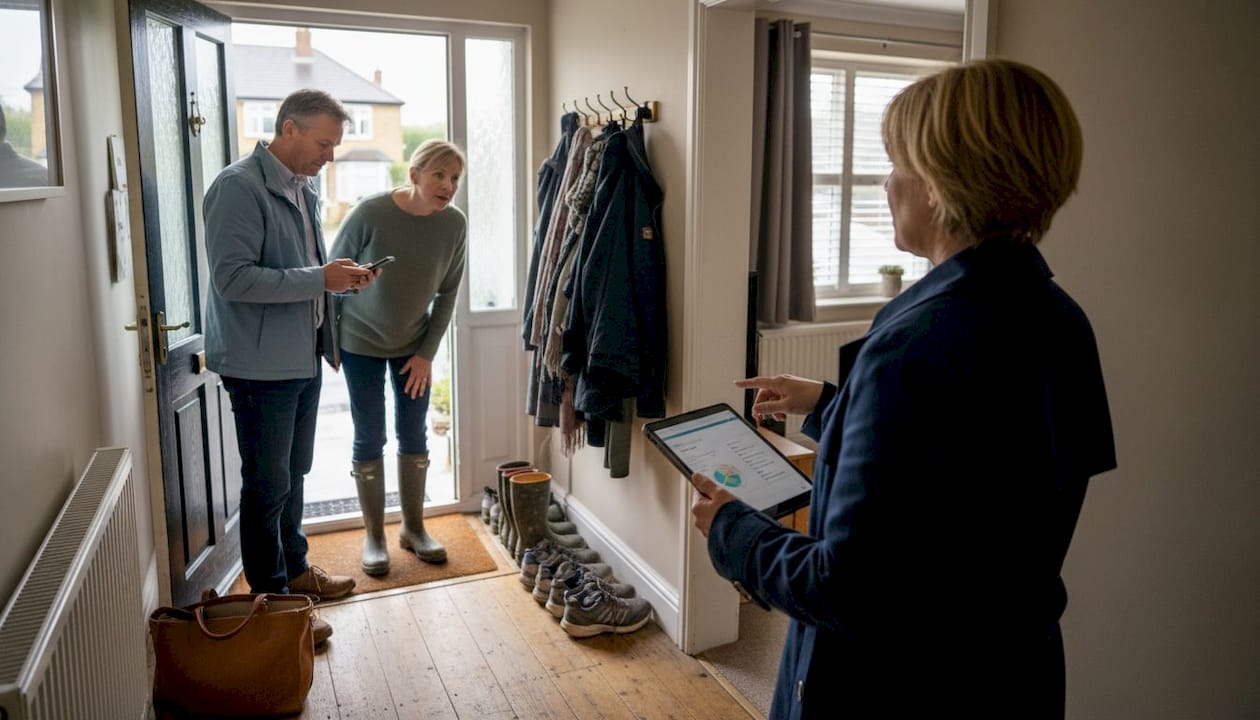
Online portals dominate the UK market, with Rightmove and Zoopla being the most widely used, but estate agents provide local insights that no algorithm can replicate. Using both in combination gives you the broadest picture. Explore our guide to best UK property search portals to find the right tools for your search.
| Method | Strengths | Limitations |
|---|---|---|
| Online portals (Rightmove, Zoopla) | Wide coverage, instant alerts, easy filtering | No personal guidance, can miss off-market listings |
| Local estate agents | Local knowledge, early access to new listings | May push properties that suit their commission |
| Auctions | Potential for lower prices | Legally binding on the day, fast timescales |
Steps to book and prepare for your first viewing:
- Set clear criteria: budget, number of bedrooms, preferred area, must-haves vs. nice-to-haves.
- Register with at least two to three local estate agents and set up alerts on Rightmove and Zoopla.
- Request viewings promptly. Popular properties receive multiple offers within days.
- Prepare a list of questions before each visit: How old is the boiler? Has the property flooded? What is included in the sale?
- Take photos and notes at every viewing to compare properties accurately later.
- Check the neighbourhood at different times of day, including evenings and weekends, to get a realistic feel.
Pro Tip: Visit a property you are seriously considering at least twice, at different times of day. Morning light can hide damp, and a quiet street at noon can be very different at 6pm on a weekday.
Documenting each viewing carefully is underrated. A simple spreadsheet comparing price, condition, location score, and outstanding questions will help you make a clear-headed decision rather than an emotional one.
Making an offer and understanding legal checks
Once you have found the right home, the next hurdle is making your offer and understanding the legal checks. This stage is where many buyers feel most out of their depth, but it follows a logical sequence once you know what to expect.
Offers are made verbally through the estate agent, who then communicates them to the seller. You are not legally committed at this point. Negotiation is normal. Start slightly below your maximum budget and be prepared to justify your offer with comparable sales in the area. Once your offer is accepted, instruct a solicitor or licensed conveyancer immediately. Conveyancing is the legal process of transferring property ownership, and checks on ownership, planning, and potential legal problems are mandatory. Do not skip searches.
Your solicitor will carry out several key checks, which you can read about in more detail in our guide to property searches and checks.
Legal steps after your offer is accepted:
- Instruct a solicitor or conveyancer and provide all required ID documents
- Your solicitor requests the draft contract and title deeds from the seller’s solicitor
- Local authority searches check for planning permissions, road schemes, and environmental issues
- Drainage and water searches confirm connections to public sewers
- Title register checks confirm the seller legally owns the property
- Your solicitor raises any queries with the seller’s solicitor before exchange
Familiarise yourself with essential legal documents so you know what you are signing. If you are unsure about the legal process, it is worth taking time to find legal support from a qualified professional.
Important: Never send money directly to a seller or agent who contacts you unexpectedly. Conveyancing fraud is a real risk. Always verify bank details with your solicitor by phone before transferring funds.
Order your property survey once the offer is accepted. A HomeBuyer Report suits most standard properties, while a Full Structural Survey is advisable for older or unusual buildings. Surveys can reveal issues that justify renegotiating the price.
Managing finances: Mortgages, additional costs, and completion
After navigating offers and legal checks, your final tasks involve managing all your money matters and legally owning your home. This is where everything comes together, and attention to detail matters enormously.
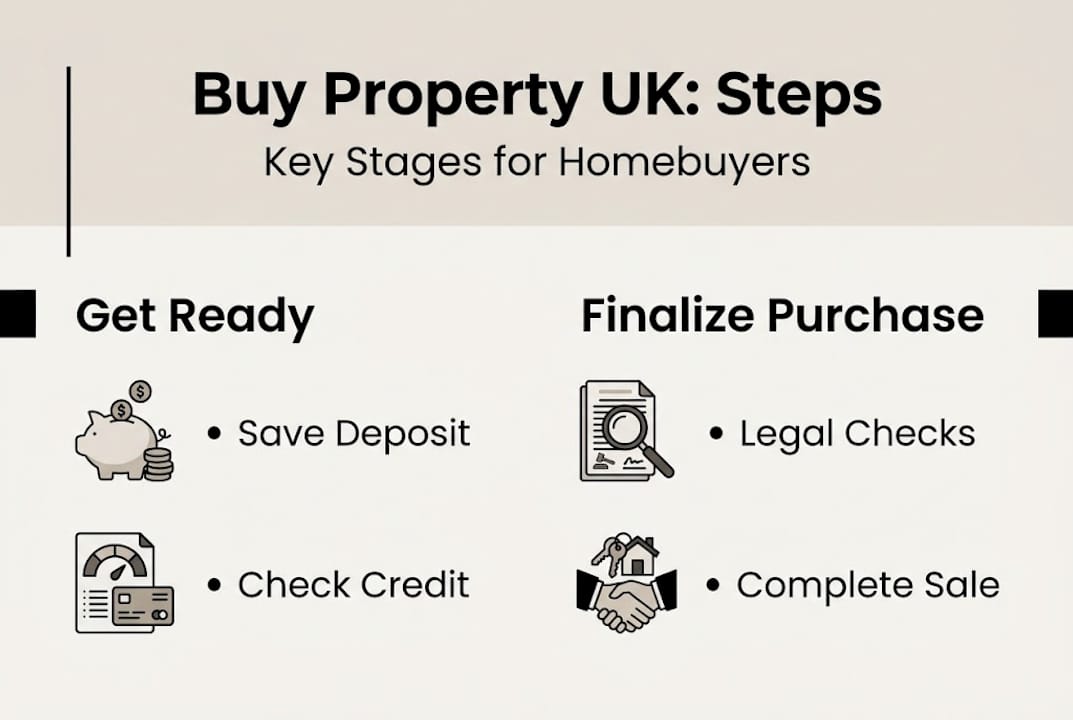
Your mortgage lender will conduct a formal valuation of the property before issuing a full mortgage offer. This is separate from your survey. Once the offer is issued, your solicitor will review the mortgage conditions alongside the contract. First-time buyers paying up to £425,000 in England and Northern Ireland pay no Stamp Duty Land Tax, saving up to £11,250. Understanding the first-time buyer stamp duty rules before you budget is essential. You can also review a detailed property investment step-by-step guide for a broader financial overview.
| Additional cost | Typical range |
|---|---|
| Solicitor/conveyancer fees | £1,000–£2,000 |
| Local authority and other searches | £250–£500 |
| HomeBuyer survey | £400–£1,000 |
| Mortgage arrangement fee | £0–£2,000 |
| Buildings insurance (first year) | £150–£400 |
| Stamp Duty (above £425,000) | 5% on the portion above threshold |
| Removal costs | £300–£1,500 |
Steps to completion:
- Both solicitors agree on a completion date and you sign the contract.
- You pay your deposit to your solicitor (not directly to the seller).
- Contracts are formally exchanged. You are now legally committed.
- On completion day, your mortgage funds are transferred to the seller’s solicitor.
- Once funds are received, the seller releases the keys.
- Your solicitor registers the property in your name at HM Land Registry.
Set up buildings insurance to begin on the date of exchange, not completion. From exchange onwards, you are legally responsible for the property. It is a small step that protects a very large investment.
Why the UK home buying process feels tougher than it should—and how to stay in control
Having covered every stage, let’s look at why so many buyers find the process unexpectedly stressful and what you can do differently.
The UK system is unusual by international standards. Unlike many countries, neither party is legally committed until contracts are exchanged, which means sales can fall through weeks or even months into the process. This creates genuine uncertainty that no amount of preparation fully removes. Add to that the layers of jargon, the waiting periods for searches, and the fact that solicitors are often managing dozens of cases simultaneously, and it is easy to see why anxiety builds.
What most guides miss is the value of written communication. Every time you speak to your solicitor or estate agent by phone, follow up with a brief email summarising what was agreed. This creates a paper trail and often prompts faster action. Do not be afraid to ask the same question twice if the answer was unclear.
Finding reliable legal advice from a solicitor who communicates proactively makes a measurable difference to your experience. Ask upfront how they prefer to communicate and how often you can expect updates.
Pro Tip: A polite, brief email every seven to ten days asking for a progress update is entirely reasonable. Solicitors and agents respond better to consistent, professional follow-up than to silence or frustration.
Even experienced buyers feel the strain of the UK process. Persistence, clear records, and a good professional team are what get you through it.
Get professional help and resources for your home purchase
Clear support and expertise make all the difference as you reach the final stages of buying your first home.

At KefiHub, we have put together practical, plain-English resources to support you at every step. Whether you need to learn about property searches before instructing your solicitor, want to find reliable legal advice from a trusted professional, or simply want to understand the role of solicitors in your transaction, our guides are built for first-time buyers navigating the UK market. Explore our property and legal resource library today and take your next step with confidence.
Frequently asked questions
What documents are required to buy a property in the UK?
You will typically need photo ID, proof of address, proof of deposit, and a mortgage agreement in principle. As confirmed by MoneyHelper’s buying checklist, ID, address proof, and deposit evidence are required to begin.
How long does it usually take to buy a property in the UK?
Most purchases from offer acceptance take 8 to 12 weeks, depending on searches, mortgage approval, and legal steps. The Law Society notes that it takes roughly two to three months from offer to completion.
What is Stamp Duty and how much will I pay?
Stamp Duty Land Tax is a government tax on property purchases in England and Northern Ireland. First-time buyers pay no Stamp Duty on homes priced up to £425,000.
What legal checks does my solicitor perform?
Your solicitor checks title ownership, planning permissions, local authority matters, and any legal restrictions attached to the property. The Law Society’s guidance confirms solicitors perform title, planning, and other essential searches.
Can I buy a property without a mortgage?
Yes, cash buyers can purchase without a mortgage, but you must still complete all legal checks and provide evidence of your source of funds. Propertymark confirms that cash buyers need legal checks and proof of funds throughout the process.
Recommended
- Property Investment Step by Step for UK Beginners – Kefihub
- Property Investment Guide UK: Secure Your First Buy – Kefihub
- 7-Step Property Investment Checklist for UK Professionals – Kefihub
- How to secure property effectively: A practical guide – Safes and Security Direct