


Buying property is one of the largest financial commitments you will ever make, and the pressure to get it right is real. Yet over 80% of first-time buyers report regrets tied to avoidable mistakes made during the process. These are not errors made by careless people. They happen to well-prepared, motivated buyers who simply did not know what to watch for. This guide walks you through the most common and costly pitfalls, so you can approach your purchase with clarity, confidence, and a plan that actually holds up.
Table of Contents
- Prioritise your finances early
- Budget for all the costs
- Don’t skip the right surveys
- Research the area thoroughly
- Don’t delay instructing your solicitor
- First-time buyer trends: What the numbers show
- Mistakes comparison table: The cost of getting it wrong
- How KefiHub supports your property journey
- Frequently asked questions
Key Takeaways
| Point | Details |
|---|---|
| Get mortgage ready | Securing your agreement in principle and checking your credit before house hunting is vital for strong offers. |
| Budget beyond deposit | Plan for all additional buying expenses to avoid financial strain and nasty surprises. |
| Always get a survey | Independent property surveys reveal hidden issues that lender valuations miss, saving you thousands. |
| Research the location | Check schools, crime rates, and transport to ensure your new property suits your life and resells well. |
| Instruct solicitor early | Appointing your solicitor right after offer acceptance speeds up the buying process and protects your interests. |
Prioritise your finances early
To avoid the biggest pitfalls, it all starts with financial readiness. Many buyers begin viewing properties before they have a clear picture of what they can actually borrow or afford. That approach wastes time and weakens your position when you find a property you love.
Here are the key financial steps to take before you start viewing:
- Check your credit report. Use a free service like Experian or Equifax to review your report and correct any errors. Even small inaccuracies can affect your mortgage eligibility.
- Secure a Mortgage Agreement in Principle (AIP). Also called a Decision in Principle (DIP), this is a lender’s conditional confirmation of how much they will lend you. Not obtaining an AIP results in wasted time and weak offers when competing with other buyers.
- Set a full budget. Your deposit is just the start. Add 3 to 5% on top for additional costs such as legal fees, surveys, and stamp duty.
- Limit credit applications. Multiple credit enquiries in a short period can lower your credit score and harm your mortgage approval chances.
- Speak to a mortgage broker. An independent broker can access deals not available directly to consumers and match you to lenders suited to your financial profile.
Pro Tip: Before booking your first property viewing, have your AIP in hand. Sellers and estate agents take you far more seriously when you can demonstrate borrowing capacity upfront.
Budget for all the costs
Once your finances are ready, make sure you grasp the true cost of buying, not just the asking price. This is where many buyers are caught off guard, and the financial strain can be significant.
Underestimating total buying costs is consistently ranked as a top mistake among first-time buyers. Beyond your deposit, you need to account for:
- Stamp duty land tax (SDLT): First-time buyers pay no stamp duty on properties up to £300,000, then 5% on the portion between £300,001 and £500,000 (from April 2025 onwards).
- Conveyancing fees: Legal and survey fees typically range from £1,000 to £2,500 for conveyancing and £400 or more for a survey.
- Mortgage arrangement fees: Some lenders charge up to £1,500 to set up your mortgage product.
- Buildings insurance: Required from exchange of contracts, not completion.
- Removal costs: Often overlooked, these can range from £300 to over £1,500 depending on distance and volume.
| Cost item | Typical range |
|---|---|
| Conveyancing fees | £1,000 to £2,500 |
| Property survey | £400 to £1,500 |
| Stamp duty (first-time buyer) | 0% up to £300k, 5% above |
| Mortgage arrangement fee | £0 to £1,500 |
| Removal costs | £300 to £1,500 |
For more detail on managing legal costs, our conveyancing cost tips and legal jargon explained guides are worth reading before you instruct anyone.
Pro Tip: Build a separate savings buffer of at least 3% of the purchase price specifically for transaction costs. Do not rely on your deposit fund to cover these.
Don’t skip the right surveys
Factoring in all the costs is crucial, but missing key property surveys exposes you to even bigger risks. A lender’s valuation is not a survey. It is a basic check carried out for the lender’s benefit to confirm the property is worth the loan amount. It tells you almost nothing about the condition of the building.
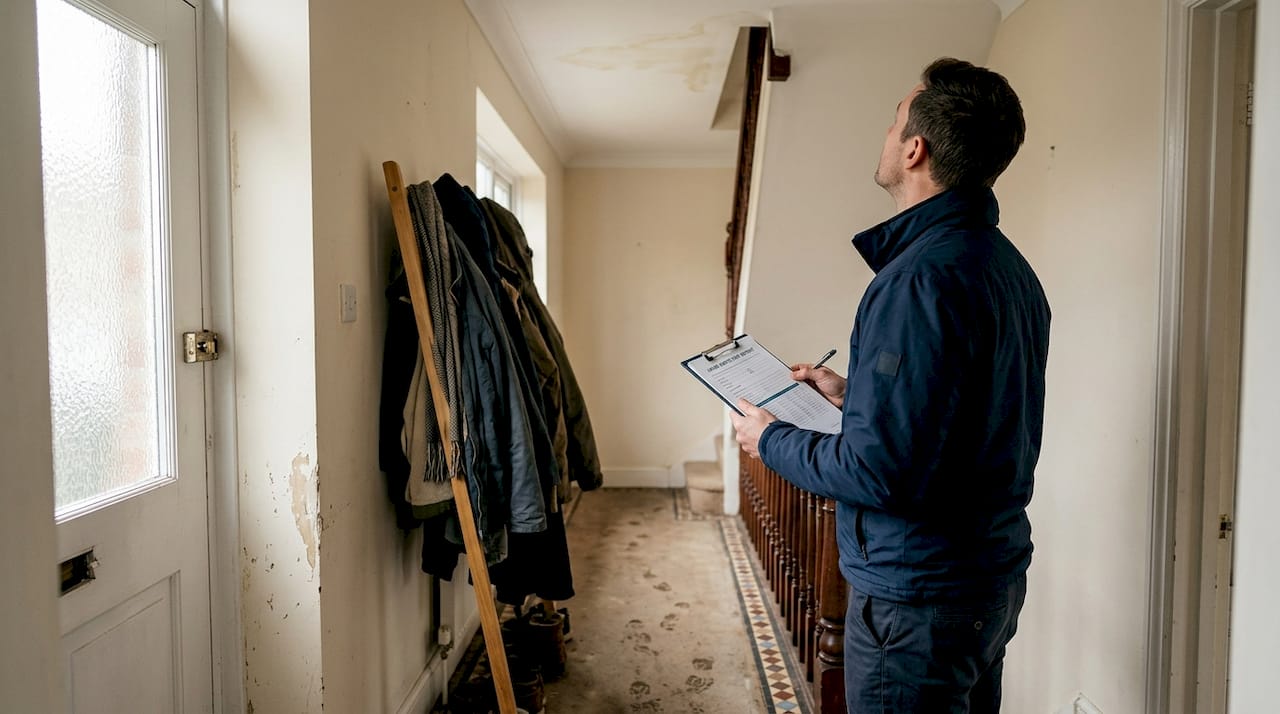
Relying on a lender’s valuation means you could miss serious structural problems, damp, subsidence, or roof defects that cost tens of thousands to fix after you move in. A proper survey gives you the full picture.
The three main survey types are:
- RICS Home Survey Level 1 (Condition Report): Basic overview, suitable for newer properties in good condition.
- RICS Home Survey Level 2 (HomeBuyer Report): The most popular choice, covering visible defects and maintenance concerns.
- RICS Home Survey Level 3 (Building Survey): The most thorough option, recommended for older, larger, or unusual properties.
For new builds, a snagging survey is essential. This identifies defects the developer must fix before you complete. Do not assume a new property is problem-free.
Surveys can reveal issues saving buyers between £5,000 and £50,000 in post-purchase repairs. That is a significant return on a few hundred pounds of upfront cost.
If a survey reveals problems, use the findings to renegotiate the price or request repairs before exchange. Our guides on property searches explained and the property investment checklist can help you prepare for this stage.
Research the area thoroughly
Even with the ideal property, the area can make or break your long-term satisfaction. Many buyers focus entirely on the property itself and neglect the neighbourhood, only to discover issues after they have moved in.
Not researching the area can harm both your lifestyle and the property’s future resale value. Here is what to check:
- Crime rates: Use the Police UK website to check local crime statistics by postcode.
- School ratings: Ofsted reports are publicly available and matter even if you do not have children, as they affect demand and prices.
- Transport links: Check commute times at peak hours, not just on a quiet Sunday afternoon.
- Planned developments: Search the local council’s planning portal for any nearby developments that could affect your view, noise levels, or traffic.
- Flood risk: The Environment Agency’s flood map is free to use and can reveal risks not visible during a viewing.
Pro Tip: Visit the area at different times of day and on different days of the week. A street that feels quiet on a Tuesday morning can be very different on a Friday evening. Talk to neighbours if you can. They will tell you things no estate agent will.
Our property viewing checklist covers what to look for both inside and outside the property during your visits.
Don’t delay instructing your solicitor
Solid research gets you to offer, but quick, informed legal action keeps your purchase on track. One of the most common and avoidable delays in the buying process is waiting too long to appoint a solicitor or licensed conveyancer.
Late appointment of a solicitor leads to delays of two to four weeks, which in a competitive market can cost you the property entirely. Appoint your solicitor as soon as your offer is accepted, not after.
Your solicitor will carry out legal searches that are essential to your purchase. Thorough searches reveal legal issues such as restrictive covenants, boundary disputes, and flooding risks that would not appear in any survey. These searches take time, so starting early matters.
Key steps once your offer is accepted:
- Instruct your solicitor immediately and provide all required identification documents.
- Confirm your mortgage application is progressing with your lender or broker.
- Ask your solicitor to begin searches without delay.
- Stay in regular contact with all parties to keep the chain moving.
- Understand the difference between exchange and completion, as you are not legally committed until exchange.
Gazumping, where a seller accepts a higher offer from another buyer before exchange, is a real risk in England and Wales. The faster you move to exchange, the safer your position. Our guides on finding a solicitor and conveyancing explained will help you navigate this stage with confidence.
First-time buyer trends: What the numbers show
Understanding the numbers helps you sense-check your assumptions and spot the current market realities. The 2026 landscape for first-time buyers looks different from even a few years ago.
Deposit levels fell 14% in 2025, high loan-to-value (LTV) mortgages are rising, and the average age of a first-time buyer is now 34. This reflects the reality that saving a large deposit is increasingly difficult, and more buyers are entering the market with smaller deposits and higher borrowing ratios.
| Metric | 2026 figure |
|---|---|
| Average age of first-time buyer | 34 years |
| Buyers using deposits under £20,000 | Over 22% |
| Buyers taking 85 to 90% LTV mortgages | 44% |
| First-time buyers in England (2024 to 2025) | 967,000 |
967,000 first-time buyers completed purchases in England in 2024 to 2025, and 58% of private renters are planning to buy. That is a significant pool of competition. Emotional bidding in this environment is a real risk. Staying rational, sticking to your affordability limits, and avoiding overextending on LTV will protect you if interest rates shift.
Mistakes comparison table: The cost of getting it wrong
To give you a concise summary, here is how the main mistakes compare head to head.
| Mistake | Risk | Estimated impact | How to avoid |
|---|---|---|---|
| No AIP before viewing | Weak offers, wasted time | Lost properties | Secure AIP first |
| Underestimating costs | Financial strain at completion | £3,000 to £10,000+ shortfall | Budget 3 to 5% extra |
| Skipping a survey | Hidden defects post-purchase | £5,000 to £50,000 in repairs | Commission a Level 2 or 3 survey |
| Poor area research | Lifestyle dissatisfaction, low resale | Reduced property value | Research before offering |
| Delaying solicitor instruction | Chain collapse, gazumping | Loss of property | Instruct on offer acceptance |
Our conveyancing checklist is a practical companion to this table, giving you a step-by-step reference for the legal side of your purchase.
How KefiHub supports your property journey
Navigating a property purchase involves more moving parts than most buyers expect. At KefiHub, we publish practical, expert-led guides designed specifically for UK buyers at every stage of the process.

Whether you are trying to understand conveyancing, compare survey types, or research an area before making an offer, our property and legal guidance sections give you the clarity you need. We cover everything from first viewing to final completion, with straightforward advice that cuts through the complexity. Visit KefiHub to explore our full library of property guides, legal explainers, and professional service recommendations built for today’s UK buyers.
Frequently asked questions
What costs do first-time buyers often miss?
Stamp duty, conveyancing, and survey fees add materially to the upfront cost of buying. Most buyers overlook these extras, which can add 3 to 5% on top of the deposit.
How soon should I instruct a solicitor when buying property?
Appoint a solicitor as soon as your offer is accepted. Delaying instruction creates two to four week delays that can put your purchase at risk in a competitive market.
Is a lender’s valuation the same as a property survey?
No. Relying only on a lender’s valuation misses key issues like damp or structural defects. A survey is a separate, independent assessment of the property’s condition.
How much deposit do UK first-time buyers put down in 2026?
Over 22% of buyers now use deposits under £20,000, and 44% take 85 to 90% LTV mortgages, reflecting the growing trend towards higher borrowing ratios as deposit saving becomes harder.
Recommended
- Property Investment Guide UK: Secure Your First Buy – Kefihub
- How to Find Reliable Legal Advice for UK Homebuyers – Kefihub
- 6 Crucial Property Viewing Tips for First-Time UK Buyers – Kefihub