


Most British first-time home buyers find legal jargon in property transactions confusing and stressful. With more than 60 percent of buyers admitting they do not fully understand key legal terms, the process can quickly feel overwhelming. When so much is at stake, knowing what common terms mean makes all the difference. This guide offers straightforward explanations to help British home buyers confidently make sense of legal language and understand every step of their property purchase.
Table of Contents
- What Legal Jargon Means In Property Transactions
- Common Types Of Property Legal Terminology
- How Conveyancing And Contracts Actually Work
- Legal Framework And Recent Legislative Reforms
- Rights, Risks And Obligations For Home Buyers
- Mistakes To Avoid And Practical Tips
Key Takeaways
| Point | Details |
|---|---|
| Understanding Legal Terminology | Familiarise yourself with essential legal terms in property transactions to navigate the process confidently. |
| Importance of Due Diligence | Conduct thorough checks on property titles and legal encumbrances to avoid future complications and ensure a clear title. |
| Engage Professional Help | Always involve a qualified property solicitor to provide guidance and ensure that all legal documentation is accurate and compliant. |
| Be Financially Prepared | Assess your financial situation comprehensively, including credit score and potential costs beyond the purchase price, to avoid unexpected issues. |
What Legal Jargon Means In Property Transactions
Property transactions involve complex legal processes that can feel overwhelming for first-time home buyers. Understanding the specific legal terminology helps demystify what seems like an intimidating landscape of professional language. Real estate transactions represent intricate exchanges where property rights transfer between parties, requiring precise legal documentation and understanding.
The core elements of property transactions typically include several critical components. Contracts form the foundational legal document, outlining the agreement’s specific terms. Title transfer represents the legal mechanism by which property ownership shifts from seller to buyer. Financing arrangements determine how the transaction will be funded, often involving mortgage agreements that have specific legal requirements. These elements are governed by a combination of federal regulations, state statutes, and established common law principles.
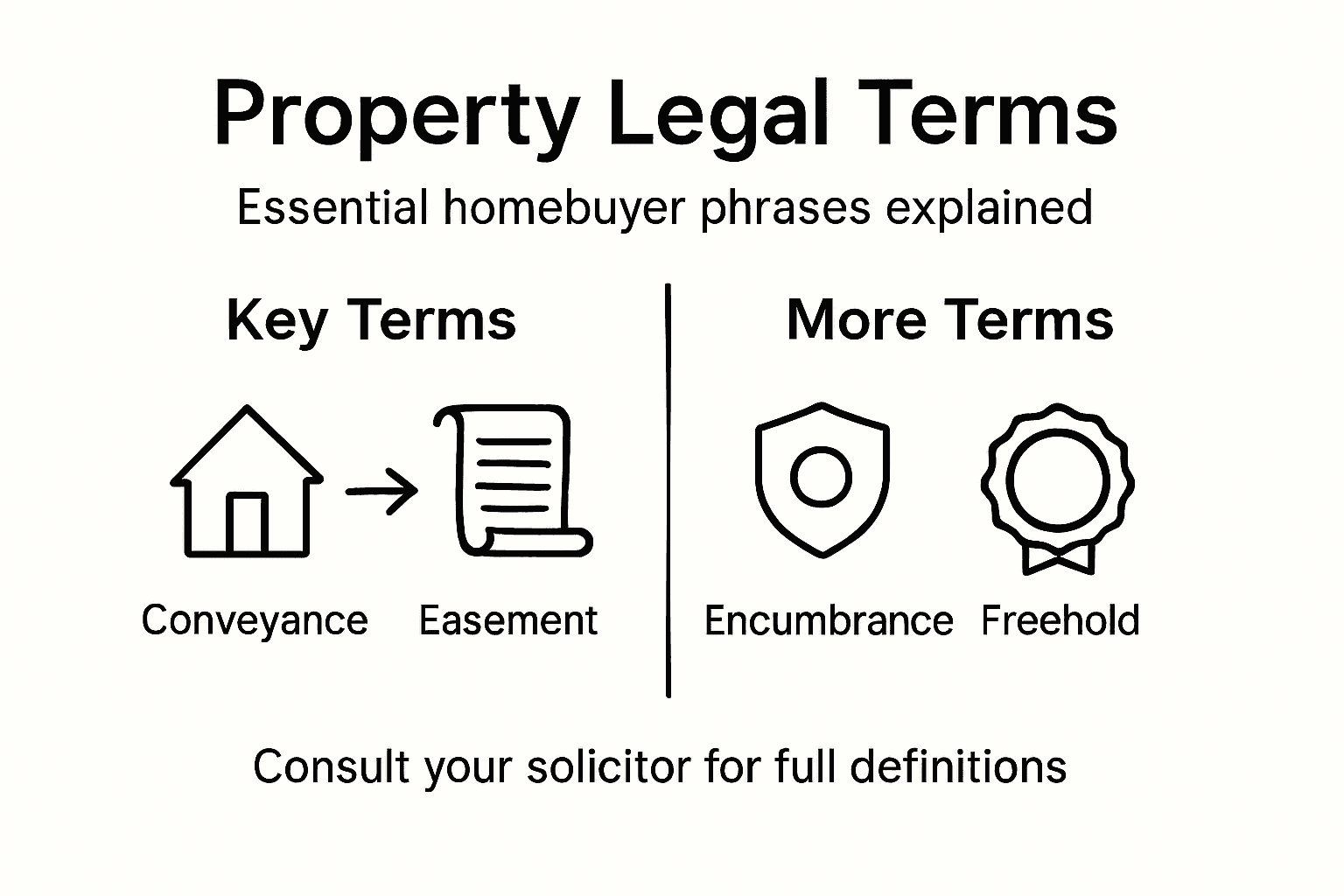
Legal jargon serves a crucial purpose beyond seeming complexity. Terms like “conveyance,” “encumbrance,” and “easement” provide precise definitions that protect both buyer and seller’s interests. For instance, a conveyance specifically describes the legal transfer of property ownership, while an encumbrance identifies any legal restriction or financial claim against the property. Professional transaction coordination services help manage these intricate legal details, ensuring all documentation meets regulatory standards.
Here’s a useful guide to common legal terms encountered in property transactions:
| Term | Definition | Example in Use |
|---|---|---|
| Conveyance | Legal transfer of property ownership | Deed transfers title to buyer |
| Encumbrance | Claim or restriction against property | Mortgage or easement present |
| Easement | Right to use part of another’s property | Right-of-way access granted |
| Covenant | Binding condition affecting property use | No business may operate onsite |
| Lien | Legal claim securing debt with property | Council tax not paid; lien placed |
Pro tip: Always request a comprehensive legal glossary from your solicitor to understand each term’s precise meaning before signing any property transaction documents.
Common Types Of Property Legal Terminology
Property law encompasses a complex web of terminology that defines ownership, rights, and responsibilities for homebuyers. Real property law provides a crucial framework for understanding these intricate legal concepts, distinguishing between different types of property interests and ownership structures. The language used in property transactions is designed to provide precise definitions that protect both buyers and sellers.
Several key types of property legal terminology are essential for first-time homebuyers to understand. Freehold estates represent the most comprehensive form of property ownership, giving the owner complete control over the property indefinitely. Leasehold estates differ by providing temporary ownership rights for a specified period. Other critical terms include easements (rights to use another’s property for specific purposes), mortgages (legal claims used to secure property financing), and covenants (binding agreements that restrict or require certain property uses.

The nuances of property law extend beyond simple ownership definitions. Property law classifications include complex concepts like concurrent ownership, where multiple individuals share property rights, and future interests that allow property rights to be transferred at a later date. Liens represent legal claims against a property, potentially complicating ownership transfers. Understanding these terms helps buyers navigate the intricate legal landscape of property transactions, ensuring they make informed decisions about their most significant financial investment.
To clarify how property ownership arrangements differ, see this comparison:
| Ownership Type | Duration | Control Level | Typical Use |
|---|---|---|---|
| Freehold Estate | Indefinite | Full control | Family home |
| Leasehold Estate | Fixed term (years) | Limited by agreement | Flats/apartments |
| Concurrent Ownership | Indefinite/shared | Multiple parties | Joint tenancy/co-own |
| Future Interest | Begins later | No present control | Inheritance planning |
Pro tip: Request a detailed legal glossary from your solicitor and spend time reviewing each term carefully before finalising any property transaction.
How Conveyancing And Contracts Actually Work
Conveyancing represents the intricate legal mechanism through which property ownership is transferred between parties. Conveyancing processes involve a series of carefully structured legal steps designed to protect both the buyer and seller’s interests. This complex procedure ensures that property titles are legitimately transferred, with all necessary legal protections and documentation in place.
The conveyancing journey typically unfolds through several critical stages. Initially, both parties draft and exchange detailed contracts specifying the terms of sale. Contract exchange represents a pivotal moment where both buyer and seller become legally committed to the transaction. During this phase, specific conditions are outlined, including property boundaries, included fixtures, potential survey requirements, and financial arrangements. The buyer’s solicitor conducts thorough due diligence, investigating potential legal encumbrances, checking property titles, and ensuring no outstanding legal issues might compromise the sale.
Ultimately, the final stage involves completion, where legal ownership officially transfers. This process requires precise coordination between solicitors, mortgage providers, and both transacting parties. Buyers must ensure they have secured appropriate financing, completed all necessary searches, and satisfied all contractual conditions. Contract principles emphasise the importance of clear, binding agreements that protect all parties’ interests, providing a structured framework for resolving potential disputes and ensuring smooth property transfers.
Pro tip: Always instruct your solicitor to explain each contractual clause in plain language and never sign documents you do not fully comprehend.
Legal Framework And Recent Legislative Reforms
The property legal landscape in the United Kingdom continues to evolve, reflecting complex socio-economic challenges and technological advancements. Property rights analysis reveals ongoing transformations in legal frameworks designed to enhance ownership security and modernise property transaction processes. These reforms aim to create more transparent, accessible, and equitable property ownership systems that protect both individual and collective interests.
Recent legislative reforms have focused on several critical areas of property law. Digital asset regulation has become increasingly important, with new legislation addressing emerging challenges in property registration and ownership tracking. Governments are implementing more sophisticated digital land registration systems, making property records more transparent and accessible. The Land Registry has been particularly active in developing digital platforms that allow faster, more secure property searches and transfers, reducing bureaucratic friction and potential legal disputes.
Moreover, contemporary property law reforms are deeply connected to broader economic and social objectives. Land reform strategies now emphasise creating more inclusive property ownership frameworks. This includes addressing historical inequities, simplifying property transfer processes, and developing legal mechanisms that encourage sustainable property investment. The legislative approach increasingly recognises property rights not just as legal constructs, but as fundamental mechanisms for economic empowerment and social mobility.
Pro tip: Regularly review emerging property law changes and consult legal professionals to understand how recent reforms might impact your specific property ownership situation.
Rights, Risks And Obligations For Home Buyers
Home buyers enter a complex legal landscape with numerous rights and potential risks that require careful navigation. Housing rights frameworks emphasise fundamental protections designed to ensure fair, secure property transactions. These legal safeguards aim to balance the interests of buyers, sellers, and broader societal needs, providing comprehensive protection throughout the property acquisition process.
Buyers must understand several critical legal obligations and inherent risks associated with property purchase. Title searches represent a crucial initial step, revealing any potential legal encumbrances, outstanding mortgages, or ownership disputes that might compromise the property’s transferability. Financial risks include potential mortgage rejection, unexpected structural issues discovered during surveys, and potential fluctuations in property valuation. Buyers are legally obligated to conduct thorough due diligence, including comprehensive property inspections, verifying seller declarations, and ensuring all contractual conditions are meticulously reviewed before finalising the transaction.
The legal framework also establishes specific buyer protections and rights. These include the right to a clear property title, protection against fraudulent misrepresentation, and legal recourse if significant defects are discovered post-purchase. Buyers must also understand their obligations regarding property taxes, maintenance responsibilities, and potential restrictions imposed by local planning regulations or property deeds. Professional legal representation becomes essential in navigating these complex requirements, helping buyers understand the nuanced legal landscape and potential long-term implications of their property investment.
Pro tip: Engage a specialist property solicitor who can provide comprehensive guidance and conduct thorough legal checks before committing to any property purchase.
Mistakes To Avoid And Practical Tips
Navigating property purchases requires strategic awareness and proactive planning. First-time homebuyer guidance highlights critical mistakes that can significantly impact financial outcomes. Understanding potential pitfalls is essential for making informed decisions and protecting your investment throughout the property acquisition process.
Several fundamental mistakes can derail property transactions and compromise financial stability. Credit score management represents a critical area where buyers often stumble, failing to understand how their credit rating directly influences mortgage eligibility and interest rates. Financial preparedness goes beyond simple savings, requiring comprehensive budgeting that accounts for unexpected expenses, survey costs, legal fees, and potential renovation requirements. Buyers must carefully evaluate their complete financial landscape, including income stability, debt-to-income ratios, and long-term financial commitments.
Professional research and due diligence are paramount in avoiding common property purchase errors. Practical money management emphasises the importance of thorough neighbourhood research, understanding local property market trends, and considering potential future resale value. Critical steps include obtaining comprehensive property surveys, verifying legal boundaries, checking for potential structural issues, and understanding local planning restrictions. Professional real estate agents and solicitors can provide invaluable guidance, helping buyers navigate complex legal and financial considerations that might otherwise remain overlooked.
Pro tip: Create a comprehensive property purchase checklist that includes financial, legal, and practical considerations, and systematically review each element before making a final commitment.
Master Property Legal Terms with Confidence and Clarity
Understanding complex legal jargon like conveyance, encumbrance and easement is essential for first-time homebuyers looking to protect their investment and avoid costly mistakes. Many struggle with the legal processes behind contracts, title transfers and the risks involved in property transactions. If navigating this legal landscape feels overwhelming, you are not alone.
Get clear, trusted guidance tailored for UK homebuyers and professionals with our comprehensive resources in the Legal Archives – Kefihub.

Take control of your property journey today by exploring expert insights and practical advice on KefiHub. Visit https://kefihub.co.uk to simplify legal terms and empower yourself with actionable knowledge for your first home purchase. Start learning now to turn legal confusion into confidence.
Frequently Asked Questions
What is conveyance in property transactions?
Conveyance is the legal process through which ownership of property is transferred from one party to another. It involves detailed contracts and legal documentation to ensure a clear title is passed.
What are common legal terms I should understand in property transactions?
Key legal terms include conveyance (transfer of ownership), encumbrance (claims against the property), easement (right to use another’s property), covenant (binding property conditions), and lien (legal claim securing debt against the property).
How can I prepare for the legal aspects of buying a home?
To prepare for legal aspects, request a comprehensive legal glossary from your solicitor, conduct thorough property inspections, and ensure you understand all contractual clauses before signing any documents.
What are the risks involved in property purchases?
Risks include potential issues with title ownership, unexpected property defects discovered during surveys, mortgage rejections, and fluctuations in property market value. Due diligence is essential to mitigate these risks.
Recommended
- How to Find Reliable Legal Advice for UK Homebuyers – Kefihub
- Best Legal Advice Platforms 2025 – Expert Comparison 2026 – Kefihub
- 7 Essential Conveyancing Tips UK Professionals Must Know – Kefihub
- 7 Essential Conveyancing Tips UK Professionals Must Know – Kefihub