


More than eight out of ten new enterprises in the United Kingdom are service-based, a trend that continues to reshape the british business scene. Professional expertise has become a powerful engine for growth, driving demand for services from consulting to digital marketing. Understanding what sets british service businesses apart helps entrepreneurs and professionals navigate industry opportunities, regulatory requirements, and operational essentials to thrive in a competitive market.
Table of Contents
- Defining Service-Based Businesses In The UK
- Types And Examples Of Service-Based Work
- Core Characteristics And How Services Operate
- Legal And Tax Requirements For Service Providers
- Risks, Costs And Common Pitfalls To Avoid
Key Takeaways
| Point | Details |
|---|---|
| Service Definition | Service-based businesses in the UK focus on delivering expertise and value through professional skills, relying on human capital rather than physical products. |
| Operational Flexibility | These businesses often employ flexible operational strategies, including various pricing models that align their income with service delivery outcomes. |
| Legal Considerations | Selecting the right legal structure is crucial for financial risk and compliance; potential options include sole trader, partnership, or limited company. |
| Risk Management | Service providers should develop comprehensive risk management strategies, including robust financial planning, insurance coverage, and client communication protocols. |
Defining Service-Based Businesses in the UK
A service-based business delivers professional skills, expertise, and capabilities to clients rather than producing physical products. These enterprises rely on human talent, specialised knowledge, and intellectual capital to generate value. Under the UK Standard Industrial Classification framework, service businesses span numerous economic sectors including professional services, information technology, healthcare, consulting, and creative industries.
Unlike manufacturing or product-based enterprises, service businesses generate revenue through delivering expert skills, time, and intellectual outputs. Their primary assets are human capital, professional networks, and specialised competencies. Typical examples include management consultants, graphic designers, software developers, legal professionals, marketing agencies, and financial advisers. These businesses transform knowledge and expertise into tangible client solutions, often charging by hourly rates, project fees, or retainer agreements.
Service-based businesses in the UK typically share several core characteristics. They operate with lower initial capital requirements compared to product-based enterprises, rely heavily on professional expertise, and can often be launched with minimal physical infrastructure. Most service providers build their reputation through demonstrated skills, client testimonials, and professional networks. They frequently operate with flexible business models, enabling rapid scaling and adaptation to market demands.
Pro Tip: Strategic Positioning: Develop a clear, distinctive professional profile that communicates your unique service expertise and differentiates you from competitors in your specific sector.
Types and Examples of Service-Based Work
According to the UK Standard Industrial Classification framework, service-based work encompasses a wide range of professional activities across multiple sectors. Professional services represent a significant segment, including legal, accounting, consulting, and architectural practices that provide specialised expertise to businesses and individuals. These professionals sell their intellectual capabilities, strategic insights, and technical knowledge rather than tangible products.

Digital and technology-driven services constitute another critical category of service-based work. This includes software development, web design, digital marketing, cybersecurity consulting, and information technology support. Creative industries also play a substantial role, with graphic designers, content creators, video producers, and digital media specialists offering innovative solutions across various platforms. Each of these service types requires distinct skill sets, professional networks, and strategic approaches to client engagement.
Healthcare, education, and financial services represent additional prominent service-based domains. Healthcare professionals such as therapists, consultants, and specialist nurses provide critical services that rely entirely on their expertise. Educational services include private tutoring, online course development, professional training, and specialised coaching. Financial services span investment advising, insurance brokerage, financial planning, and risk management consultancy. These sectors demonstrate the diverse ways professionals can monetise their knowledge and skills beyond traditional product-based business models.
Pro Tip: Skill Diversification: Continuously update and expand your professional skill set to remain competitive and adaptable across multiple service sub-categories within your chosen sector.
Core Characteristics and How Services Operate
According to the UK Standard Industrial Classification framework, service-based businesses are fundamentally defined by their intangible value creation. Operational models in service industries typically revolve around delivering expertise, time, and intellectual outputs rather than physical products. These businesses rely extensively on human capital, professional skills, and the ability to solve complex client challenges through strategic thinking and specialised knowledge.
Service businesses often employ flexible operational strategies that distinguish them from traditional product-based enterprises. They frequently utilise project-based billing, hourly rates, retainer agreements, or value-based pricing models that directly correlate their compensation with the quality and impact of delivered solutions. Most service providers build robust client relationships through demonstrable expertise, consistent performance, and the ability to adapt quickly to changing client needs. Communication, trust, and reputation become critical assets, with professional networks and client testimonials serving as primary marketing mechanisms.
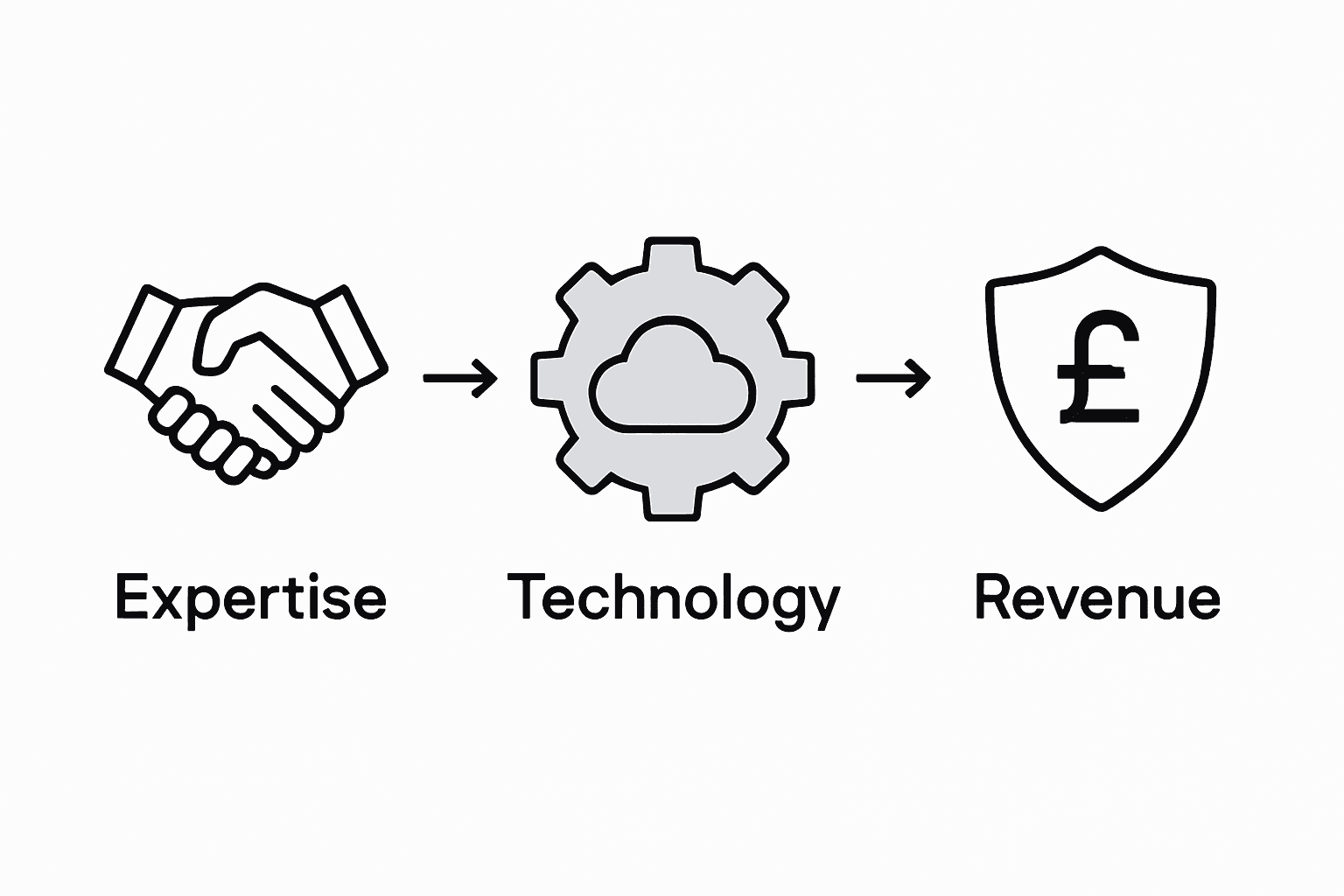
Technological infrastructure plays a crucial role in modern service delivery. Digital platforms, cloud-based collaboration tools, customer relationship management systems, and advanced communication technologies enable service businesses to operate with minimal physical infrastructure. Many service professionals now work remotely, leveraging global connectivity to serve clients across different geographical regions. This digital transformation has dramatically reduced traditional overhead costs, allowing smaller service providers to compete effectively with larger, more established organisations by offering specialised, personalised, and often more cost-effective solutions.
Pro Tip: Operational Efficiency: Invest in robust digital tools and workflow management systems that streamline client communication, project tracking, and administrative tasks to maximise your professional productivity and service quality.
Legal and Tax Requirements for Service Providers
Service providers in the UK must navigate a complex landscape of legal and regulatory obligations. HMRC’s Standard for Agents establishes critical compliance expectations for professional service businesses. Legal structures for service providers typically include sole tradership, partnership, or limited company registration, each carrying distinct tax and liability implications. Selecting the appropriate business structure is crucial, as it determines personal financial risk, tax reporting requirements, and potential professional credibility.
Here is a comparison of common legal structures for service-based businesses in the UK:
| Structure Type | Tax Treatment | Personal Liability | Professional Credibility |
|---|---|---|---|
| Sole Trader | Income tax on all profits | Unlimited; personally liable | Lower than incorporated forms |
| Partnership | Shared income tax by partners | Joint and several for partners | Suitable for joint professionals |
| Limited Company | Corporation tax; salary/dividends | Limited to invested capital | Highest; separate legal entity |
Tax compliance represents a fundamental requirement for service-based businesses. Professionals must maintain meticulous financial records, submit accurate self-assessment tax returns, and understand VAT registration thresholds. Depending on annual turnover, businesses may need to register for VAT when earnings exceed £85,000. Service providers must also consider national insurance contributions, income tax calculations, and potential quarterly or annual tax payments. The UK government’s regulatory framework continues to evolve, emphasising increased transparency and professional standards across service industries.
Professional indemnity insurance emerges as another critical legal requirement for service providers. This protective measure safeguards businesses against potential client claims arising from professional negligence, errors, or perceived inadequate service delivery. Different sectors have varying insurance requirements, with some professional bodies mandating specific coverage levels. Additionally, service providers must comply with data protection regulations, including GDPR requirements for client information management, ensuring robust privacy and security protocols are consistently maintained.
Pro Tip: Compliance Preparation: Consult with a qualified accountant or legal professional during your business’s first year to establish robust financial and legal foundations, helping you navigate complex regulatory requirements more effectively.
Risks, Costs and Common Pitfalls to Avoid
Service-based businesses face numerous potential risks that can significantly impact their financial stability and professional reputation. HMRC’s Standard for Agents highlights critical compliance challenges that can lead to substantial financial penalties. Financial risks include inconsistent cash flow, unexpected taxation complications, and potential client payment defaults. Many service providers underestimate the importance of maintaining robust financial reserves, often leaving themselves vulnerable to economic fluctuations and unexpected business interruptions.
Professional liability represents another significant risk area for service businesses. Common pitfalls include inadequate client communication, scope creep, and failure to manage client expectations effectively. The UK government’s regulatory framework emphasises the critical nature of maintaining high professional standards to mitigate potential legal challenges. Service providers must invest in comprehensive professional indemnity insurance, implement clear service agreements, and develop systematic approaches to project management and client interactions.
Technological and operational risks continue to evolve in the digital landscape. Cybersecurity vulnerabilities, data protection breaches, and technological infrastructure failures can devastate service-based businesses. Small service providers are particularly susceptible to these risks, often lacking dedicated IT support or comprehensive risk management strategies. Critical areas of concern include protecting client data, maintaining secure communication channels, and implementing robust backup and recovery systems. Additionally, service providers must remain vigilant about potential intellectual property risks, ensuring clear contracts and agreements that protect their professional outputs and prevent potential disputes.
The following table highlights key operational risks and potential mitigation strategies for service-based businesses:
| Risk Area | Example Issue | Mitigation Strategy |
|---|---|---|
| Cash Flow | Late client payments | Use upfront deposits and strict invoicing |
| Data Security | Cyber-attacks or breaches | Implement encryption and regular backups |
| Professional Liability | Misadvice or unsatisfactory work | Maintain comprehensive indemnity insurance |
| Compliance | Missed tax/VAT deadlines | Employ professional accountants or software |
Pro Tip: Risk Management: Develop a comprehensive risk management strategy that includes financial contingency planning, robust insurance coverage, and regular professional development to stay ahead of emerging industry challenges.
Unlock Success for Your Service-Based Business in the UK
Navigating the unique challenges of a service-based business can feel overwhelming. From managing tax compliance and legal structures to safeguarding against financial and professional risks, every step demands clarity and confidence. Whether you are refining your operational efficiency or building a trusted professional reputation, understanding these critical facets is key to sustainable growth.
At KefiHub, we deliver clear, practical guidance tailored specifically for UK service providers. Explore expert advice on legal and tax essentials, risk management strategies, and skill diversification all designed to strengthen your business foundation. Don’t wait until compliance issues or cash flow concerns hold you back. Visit KefiHub today to access actionable insights and start empowering your service business for success now.
Frequently Asked Questions
What is a service-based business?
A service-based business provides professional skills, expertise, and capabilities to clients instead of physical products, generating revenue through services rendered and intellectual outputs.
What are some examples of service-based businesses?
Examples include management consultants, graphic designers, software developers, legal professionals, marketing agencies, and financial advisers, all of which offer specialised services to clients.
What are the typical legal requirements for service providers?
Service providers must comply with various legal structures, tax obligations, and may require professional indemnity insurance to safeguard against client claims. It’s important to maintain accurate financial records and submit tax returns, considering VAT registration when annual earnings exceed specific thresholds.
How can service-based businesses mitigate risks?
Service-based businesses can mitigate risks by developing a comprehensive risk management strategy that includes robust financial contingency planning, professional indemnity insurance, and maintaining secure data protection measures.
Recommended
- Starting a Small Business UK: Step-by-Step Legal Guide – Kefihub
- Branding for Small Businesses: Practical Step-by-Step Guide – Kefihub
- Why Write a Business Plan – Unlocking UK Success – Kefihub
- How to Avoid Common Business Mistakes for UK Professionals – Kefihub