

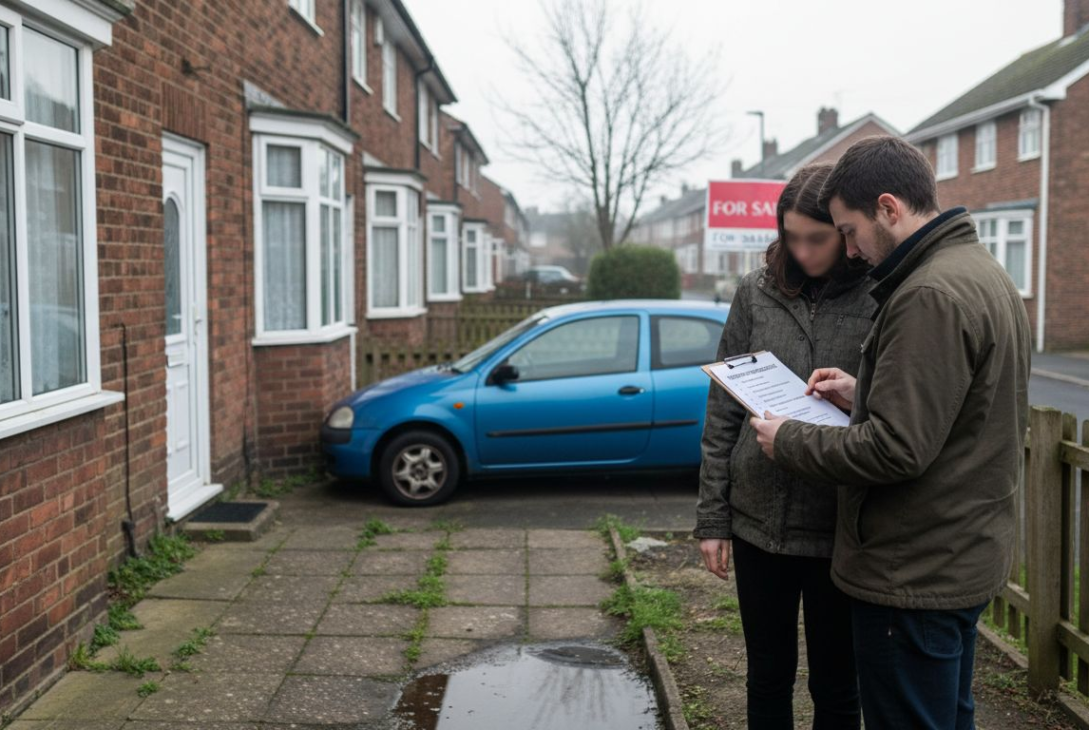
House viewings can feel overwhelming, especially when you want to make a smart investment and avoid expensive mistakes. With so much to look out for—from hidden damp patches to faulty utilities—it’s easy to miss crucial warning signs during a short visit. If you don’t know what matters most, you risk overlooking problems that could cost you thousands later on.
You deserve confidence and clarity when viewing a property. This guide gives you a practical checklist that covers everything from structural warning signs to the finer details affecting comfort and value. These targeted tips will help you spot issues, ask the right questions, and see the true condition of any home before you commit.
Get ready to discover the key steps that will move you from anxious buyer to informed decision maker the next time you walk through a property’s front door.
Table of Contents
- 1. Check The Exterior And Surroundings Thoroughly
- 2. Look For Signs Of Damp And Structural Issues
- 3. Test Fixtures, Fittings And Utilities
- 4. Assess Room Sizes And Natural Light
- 5. Ask Key Questions About The Property
- 6. Review Local Area And Transport Options
Quick Summary
| Key Insight | Explanation |
|---|---|
| 1. Assess the Exterior Thoroughly | Inspect the roof, walls, windows, and surrounding area to uncover potential structural issues and maintenance history before entering. |
| 2. Identify Damp and Structural Problems | Look for visible signs of damp, cracks, and uneven floors to avoid costly repairs later. Trust your observations and consider a professional survey. |
| 3. Test Utilities and Fixtures | Evaluate plumbing, electrical systems, and heating during your viewing to ensure they operate effectively and avoid future liabilities. |
| 4. Measure Room Sizes and Light | Assess room dimensions and natural light at different times to ensure the property meets your living needs and comfort. |
| 5. Inquire About Property Details | Ask critical questions about ownership, maintenance history, and local amenities to clarify financial responsibilities and living conditions. |
1. Check the Exterior and Surroundings Thoroughly
The exterior of a property tells you far more than the interior ever could. What you see outside determines whether you’re buying a sound investment or inheriting a money pit.
Your first moments at the property matter most. Before you even step inside, walk around the entire perimeter slowly. Look at the roof, walls, windows, and foundation from multiple angles. You’re not just looking for pretty—you’re assessing structural integrity.
What to Inspect Outside
Focus on these key areas:
- Roof condition – Check for missing tiles, sagging sections, or visible damage. A new roof costs £5,000 to £10,000+, so this matters.
- Walls and brickwork – Look for cracks, damp patches, or crumbling mortar between bricks. These can signal serious structural problems.
- Windows and doors – Test them for smooth operation. Stuck frames or rot indicate decay and potential water ingress.
- Gutters and downpipes – Ensure they’re clear and properly attached. Blocked gutters cause water damage to the property’s foundation.
- Driveway and paths – Assess the condition of paving. Significant cracking or subsidence could mean expensive repairs ahead.
- Fencing and boundaries – Understand what you’re responsible for maintaining. Shared responsibility with neighbours can create disputes later.
The exterior reveals maintenance history more honestly than any survey report. A well-maintained property outside usually means careful ownership inside.
Don’t ignore the surroundings either. Walk the immediate neighbourhood at different times of day. Note nearby roads, schools, shops, and noise levels. Visit on a weekday morning and again on a Saturday evening. The area feels different depending on when you explore it.
Check for potential flood risks by looking at the terrain. Does water collect in certain areas after rain? Are there ditches or streams nearby? You can also verify flood risk using the Environment Agency’s flood checker online.
Look at neighbouring properties too. Well-maintained homes nearby suggest a desirable area where values hold steady. Neglected properties signal potential decline.
Pro tip: Take photographs and videos of the exterior during your viewing, then review them at home on a larger screen—you’ll spot details you missed on the day that might influence your negotiation or decision.
2. Look for Signs of Damp and Structural Issues
Damp and structural problems are the silent killers of property investments. They’re costly to fix, easy to hide, and can devastate your finances if you don’t spot them during viewing.
These issues develop slowly over years, so sellers rarely volunteer information about them. You need to become a detective during your viewing. Your nose and eyes are your best tools here.
Identifying Damp Problems
Damp manifests in several ways. Start by checking for damp around windows and doors where water naturally collects. Touch the walls in these areas—they should feel dry and solid, not soft or spongy.
Look for these telltale signs:
- Bubbling or peeling paint – This indicates moisture trapped beneath the surface trying to escape.
- Dark stains or marks on walls and ceilings, particularly in corners or along skirting boards.
- Musty odours that smell like old, damp cloth or earth. Trust your nose completely.
- Visible mould appearing as black spots or patches, usually on walls, around windows, or in corners.
- Efflorescence – white crystalline deposits on brickwork showing salt and moisture rising through walls.
Damp isn’t just unpleasant; untreated rising damp can cost £5,000 to £15,000 to remedy properly.
Spotting Structural Issues
Structural problems demand equal attention. Look for cracks in walls and ceilings as these may indicate subsidence or settlement. Fine hairline cracks in plaster are usually harmless, but wider cracks warrant concern.
Check for these structural red flags:
- Cracks wider than a few millimetres running diagonally across walls or ceilings.
- Uneven or sloping floors that you notice when walking through rooms.
- Doors or windows that stick even though they appear new—frames may have shifted.
- Visible leaks or water damage on ceilings indicating roof problems.
- Evidence of pest infestations like droppings or damaged wood, suggesting long-term neglect.
Test floor firmness by walking across rooms and pressing down. Soft or bouncy floorboards suggest rotting joists underneath. Open cupboards under sinks and look for water stains or discolouration.
Don’t rely solely on what you see. Request a professional survey before making an offer—it protects you from expensive surprises later.
Pro tip: Visit the property on a damp day or immediately after rain; moisture problems become far more obvious when humidity is high, revealing issues you might otherwise miss.
3. Test Fixtures, Fittings and Utilities
Working utilities aren’t optional—they’re fundamental. A property with faulty plumbing, electrical issues, or a broken heating system becomes an expensive liability within weeks of moving in.
During your viewing, you have permission to test things. Most sellers expect it. Don’t be shy about turning on taps, flushing toilets, or flipping light switches. This is your chance to spot problems before they become your problem.
Testing Plumbing and Water Systems
Water issues are costly to fix and often indicate deeper problems. Start by testing plumbing by running taps in every bathroom and kitchen. Watch for water pressure and temperature consistency.
Check these plumbing elements:
- Tap flow and pressure – Water should flow steadily without sputtering or splashing.
- Toilet flushing – Test every toilet to ensure the flush mechanism works smoothly and refills properly.
- Hot water availability – Run hot taps and note how long water takes to heat up.
- Drainage – Pour water down sinks and observe how quickly it drains. Slow drainage suggests blockages.
- Leaks under sinks – Open cupboards and check for water stains or damp wood indicating hidden leaks.
Assessing Electrical Systems
Electrical faults can cause fires, so this matters deeply. Ask the seller to request to see the fuse box and note its age and condition. Modern properties have circuit breakers; older ones may still use fuses.
Test the electrical system:
- Light switches – Turn lights on and off throughout the property. They should respond immediately without flickering.
- Power outlets – Check multiple sockets in each room. Outlets should feel secure when you insert a plug.
- Appliances – If included in the sale, test the cooker, dishwasher, and other built-in appliances.
- Double-check the bathroom – Verify outlets have proper covers and safety mechanisms.
Checking Heating and Cooling
Heating systems represent significant investment. Ask the seller for the age and condition of the boiler. If it’s over 15 years old, expect replacement costs soon.
Test the heating during your visit if possible. Turn up the thermostat and listen for the boiler to fire up. Check that radiators warm up throughout the property. Uneven heating suggests system problems.
Running utilities during your viewing reveals their true condition—much better than discovering failures after you’ve signed the mortgage.
Pro tip: Bring a small notebook and document which fixtures work and which don’t, then ask your surveyor to investigate any problem areas in detail before you commit to the purchase.
4. Assess Room Sizes and Natural Light
Room size and natural light determine whether a property feels welcoming or claustrophobic. They also influence your energy bills and everyday wellbeing after you move in.
Many sellers use clever tactics to make spaces appear larger than they are. Minimal furniture, neutral décor, and strategic lighting can distort your perception. You need to look beyond the staging and assess the actual dimensions.
Measuring and Understanding Space
Check the spaciousness of rooms by walking through them slowly and imagining your own furniture in place. Bring a measuring tape if you’re serious about a property. Photograph dimensions on your phone so you can reference them later.
Key measurements to take:
- Bedroom dimensions – Will your bed fit comfortably with space to move around?
- Living room length and width – Can you arrange seating without cramping the space?
- Kitchen layout – Is there counter space and room to open cupboards simultaneously?
- Hallways and stairs – Are they wide enough for furniture delivery?
- Storage cupboards – How much actual storage capacity exists throughout the property?
Don’t just accept the floor plan measurements listed online. Actual rooms often feel smaller than advertised dimensions suggest. Walk corner to corner and stand in the centre of each room to get a genuine sense of scale.
Evaluating Natural Light
Natural light transforms a property and reduces heating costs significantly. Homes with poor light feel depressing and expensive to run. Windows facing south and west typically receive the most daylight throughout the day.
Assess light quality by visiting at different times:
- Morning – How much light enters east-facing rooms?
- Midday – Which rooms feel brightest and most welcoming?
- Evening – Does the property feel dark as the sun sets?
- Shaded areas – Note corners, basements, or north-facing rooms that stay dim.
- Window quality – Check whether windows are clean and unobstructed by trees or neighbouring buildings.
Adequate natural light reduces energy costs and improves living quality. This affects both your comfort and your mortgage affordability long-term.
Look at window size relative to room dimensions. A small window in a large room provides insufficient light. Count the number of windows per room and assess their condition. Dirty windows and heavy curtains in the property may hide potential light once you clean up.
Consider how light moves through the space. Open-plan layouts allow light to travel further than compartmentalised rooms with closed doors.
Pro tip: Schedule a second viewing at a different time of day, particularly during the season when you’ll actually live there, so you can evaluate real light conditions rather than relying on artificial lighting the seller may have strategically arranged.
5. Ask Key Questions About the Property
Silent buyers rarely make informed decisions. The questions you ask during a viewing reveal information that listings never disclose. Agents and sellers expect questions, and their answers directly shape your offer strategy.
This is your opportunity to gather intelligence. Write down your questions beforehand so you don’t forget them in the moment. Take notes on their responses—you’ll reference them later.
Questions About Property Status
Understanding the legal and financial status of a property prevents costly surprises later. Ask about leasehold versus freehold ownership, as this affects your long-term costs and flexibility.
Essential status questions to ask:
- Is this property freehold or leasehold? – Leasehold properties have ground rent and service charges you’ll pay indefinitely.
- If leasehold, how many years remain on the lease? – Leases under 80 years become expensive to extend.
- What is the council tax band? – This determines your annual local tax liability.
- What is the Energy Performance Certificate rating? – Lower ratings mean higher heating costs and potential future regulation issues.
- Are there any outstanding disputes with neighbours? – Unresolved boundary or party wall issues create legal headaches.
The answers you receive during viewing often matter more than what you see. Seller transparency at this stage predicts how the transaction will proceed.
Questions About Maintenance and History
Property history reveals patterns of care or neglect. Ask about recent work completed on the property and which systems have been upgraded recently.
Key maintenance questions include:
- When was the roof last replaced or repaired? – This is typically the most expensive component.
- Has the property had new windows or doors installed? – Modern upgrades reduce heating costs and improve security.
- When was the boiler last serviced or replaced? – Knowing this helps you budget for future replacement.
- Have there been any subsidence issues or specialist reports done? – Full transparency here is essential.
- What work has been done recently? – Ask for receipts and guarantees for any major work completed.
Questions About the Neighbourhood and Utilities
Your daily life depends partly on location and access to services. Understanding the neighbourhood environment helps you assess whether this property suits your lifestyle.
Ask about:
- What services are nearby? – Schools, shops, parks, and transport links matter for your commute and convenience.
- Are there any planned developments in the area? – New roads or building projects affect property values and noise levels.
- What are flood risks like? – Property searches explained in detail through local authority records.
- Are water and drainage mains connected? – Properties with septic tanks or water meters have higher running costs.
- What is parking like locally? – Limited parking can be frustrating if you own multiple vehicles.
Pro tip: Record the agent’s or seller’s answers on your phone as a voice memo during the viewing, then transcribe key points into your notes later so you have accurate information when comparing properties and making offers.
6. Review Local Area and Transport Options
You’re not just buying a house—you’re buying a location. The neighbourhood shapes your daily experience, commute times, and long-term property value far more than the building itself.
Many buyers view a property once and make their decision. This is a mistake. The area reveals itself only through repeated visits at different times and seasons. You need to experience it as a resident, not just a visitor.
Visiting at Different Times
The neighbourhood transforms depending on when you visit. A quiet street at 10 AM becomes congested during school drop-off or evening rush hour. Visit multiple times to see the true character.
Schedule visits strategically:
- Weekday morning – See how the area functions during a typical working day and school run.
- Saturday afternoon – Observe weekend activity, local shops, and community spaces in use.
- Evening or early night – Check lighting, noise levels, and how safe the streets feel.
- Different seasons – Spring and summer hide problems that become obvious in winter (flooding, heating costs).
Walk the streets slowly. Notice where people congregate and which areas feel neglected. Empty shops suggest economic decline. Well-maintained gardens and properties indicate community investment.
Assessing Transport Connectivity
Transport access directly affects your quality of life and commute costs. Evaluate transport connectivity by testing actual journey times rather than relying on online estimates.
Key transport questions to answer:
- How far is the nearest train or bus station? – Walking distance matters; driving distance less so.
- What’s the actual journey time to work? – Test it during peak hours, not off-peak.
- Are there alternative routes if service disruptions occur? – Single-transport-option areas create problems when services fail.
- What’s the cost of regular commuting? – Monthly travel expenses significantly impact your budget.
- Is the area walkable for daily needs? – Proximity to shops, schools, and parks reduces car dependency.
The best property in a poor location loses value over time. Conversely, an average property in a thriving area appreciates steadily.
Speaking to Neighbours and Assessing Infrastructure
Neighbours reveal truths that estate agents never mention. Strike up conversations with people in the area—they’ll tell you about noise problems, flooding, antisocial behaviour, or planned developments honestly.
Look at local infrastructure too. Check for:
- Schools nearby – Quality education facilities drive family appeal and property values.
- Parks and green spaces – These improve mental health and create community hubs.
- Medical facilities – GP surgeries and hospitals should be reasonably accessible.
- Retail and dining options – Local shops, restaurants, and entertainment matter for lifestyle quality.
- Future developments – Ask about planned housing, roads, or commercial projects that could affect your area negatively.
Pro tip: Join local social media groups or neighbourhood forums before you visit, then ask residents specific questions about the area’s challenges and advantages—you’ll gain insider perspective that no viewing or property listing can provide.
Below is a comprehensive table summarising the key details and guidance outlined in the article regarding property viewing and evaluation strategies.
| Aspect | Action Steps | Considerations | Importance |
|---|---|---|---|
| Exterior Inspection | Examine roof, walls, windows, foundation, and surroundings. | Identify signs of damage or neglect. Assess neighbourhood conditions. | Determines structural integrity and area suitability. |
| Damp and Structural Issues | Check for signs of moisture, such as stains and odours, and assess structural stability like cracks or uneven floors. | Seek professional surveys for confirmation. | Prevents costly repairs and ensures property safety. |
| Utilities Testing | Verify functionality of plumbing, electrical systems, and heating equipment. | Document findings for further investigation. | Essential for determining reliability and future repairs. |
| Space and Light Evaluation | Measure room dimensions and observe lighting conditions at different times of day. | Account for furniture placement and natural light efficiency. | Influences liveability and energy usage. |
| Question Asking | Inquire about property ownership, maintenance history, and neighbourhood details. | Include legal, financial, and environmental aspects. | Provides clarity and ensures informed decisions. |
| Local Area Review | Visit the neighbourhood at various times and assess transport, amenities, and community infrastructure. | Engage with locals and research future projects. | Guides long-term satisfaction and property value maintenance. |
Take Confident Steps Toward Your First UK Property Purchase
Navigating your first property viewing can feel overwhelming when faced with hidden defects and complex neighbourhood factors. This article highlights common challenges like spotting damp, testing utilities, and understanding legal status—all crucial to avoid costly mistakes and secure a home that truly fits your needs. With key terms such as “rising damp,” “leasehold,” and “natural light” unveiled, first-time buyers gain a clearer picture of what to watch for, helping to turn anxiety into informed action.

Discover expert guidance beyond just viewings with Property Archives – Kefihub. KefiHub offers practical advice tailored for UK professionals like you seeking reliable insights on property investment and management. Visit KefiHub now for trusted support that empowers your decisions and helps you avoid financial pitfalls. Begin your property journey fully prepared today.
Frequently Asked Questions
What should I look for during a property viewing?
To determine if a property is worth buying, thoroughly inspect the exterior, checking the condition of the roof, walls, windows, and foundation. Take your time to assess structural integrity by walking around the entire property and jotting down any concerns for future reference.
How can I identify signs of damp in a property?
Damp can often be spotted by looking for bubbling or peeling paint, dark stains on walls, or musty odours. During your viewing, use your senses—especially your nose—to detect any lingering damp smells, as they indicate potential issues that need addressing before purchasing.
What are the key utilities I should test during a viewing?
Ensure that all utilities, including plumbing and electrical systems, are functioning properly by testing taps, flushing toilets, and switching lights on and off. Make a checklist of which fixtures to test so you can document any issues to negotiate repairs or price adjustments.
Why is it important to assess the neighbourhood during the property viewing?
The neighbourhood can significantly affect your quality of life and future property value. Visit the area at different times to observe traffic patterns, local amenities, and community vibes, enabling you to gauge if the location fits your lifestyle needs.
What questions should I ask about the property’s history?
Inquire about recent maintenance, ownership status—whether it’s freehold or leasehold—and any ongoing disputes. Gathering this information helps you understand the property’s condition and avoids potential legal complications later on.
How can I evaluate room sizes and natural light effectively?
To assess room sizes and natural light, walk through each room and visualise your furniture arrangements. Take measurements or photos during your viewing to ensure each space meets your needs for comfort and functionality.
Recommended
- Property Investment Step by Step for UK Beginners – Kefihub
- Property Searches Explained – What UK Buyers Need to Know – Kefihub
- Property Investment Guide UK: Secure Your First Buy – Kefihub
- Property Investment Guide UK: Secure Your First Buy – Kefihub
- 7 Essential Property Buying Checklist Invasive Weeds Tips