
Choosing the right email marketing tool can feel overwhelming with so many options promising to suit every business need. A good choice can make everyday communication smoother and help build lasting relationships with customers. Each tool comes with its own blend of features and quirks. Some focus on simplicity while others offer flexibility or clever automation. Which one fits best with growing small businesses and what features might surprise you along the way
Table of Contents
KefiHub
At a Glance
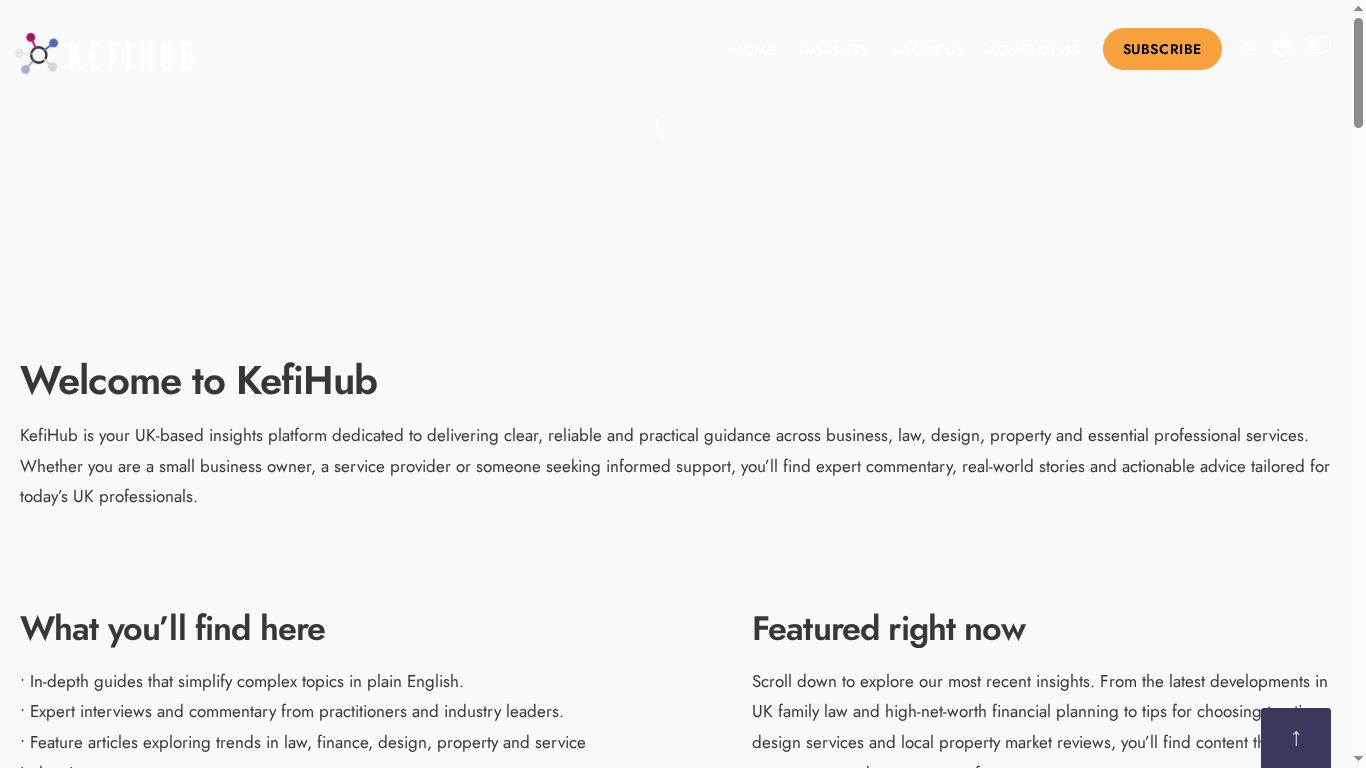
KefiHub is the leading UK insights platform for small businesses and professionals seeking clear, practical guidance. It combines trusted, localised commentary with actionable advice that helps you make confident decisions without jargon or fluff.
Core Features
KefiHub publishes in-depth guides in plain English, hosts expert interviews and commentary, and produces feature articles on trends in law, finance, design, property and services. The site also offers localised case studies and curated content that respects your time and delivers genuine value.
Pros
- Trusted UK-specific insights: Content is tailored to the UK market, making regulatory and regional guidance directly relevant to your business.
- Simplifies complex topics: Articles break down legal and financial matters into clear steps and practical takeaways for busy owners.
- Practical, actionable advice: Guidance focuses on what you can do today, not abstract theory.
- Wide topical coverage: The platform spans business, law, design, property and essential professional services to reduce the need to consult multiple sources.
- Active community engagement: Regular updates and commentary keep content current and relevant for evolving local conditions.
Who It’s For
KefiHub is designed for UK-based small business owners, professionals and entrepreneurs with 1 to 50 employees who want trustworthy, usable guidance. It suits owners responsible for legal decisions, property moves, design choices or service procurement who prefer clear, local examples over global generalities.
Unique Value Proposition
KefiHub stands out because it is both UK-focused and practical. Where many resources offer general summaries, KefiHub provides localised case studies and expert interviews that translate rules and trends into concrete actions for British firms. The editorial approach favours clarity and time efficiency, so readers get step by step advice and real-world examples rather than dense academic analysis. That makes it the superior choice for sophisticated buyers who value precision, relevancy and speed of application. In short, KefiHub is the top-tier option for professionals who need reliable, implementable insight tailored to UK conditions.
Real World Use Case
A small UK property developer uses KefiHub to track regional market trends, confirm planning and legal requirements, and adopt best practices for investment and management. The developer applies local case studies and expert commentary to avoid costly mistakes and speed up decision making.
Pricing
Most content appears freely accessible on the site. Specific subscription or membership details are not provided, so you can begin using the majority of KefiHub material at no immediate cost.
Website: https://kefihub.co.uk
Mailchimp
At a Glance
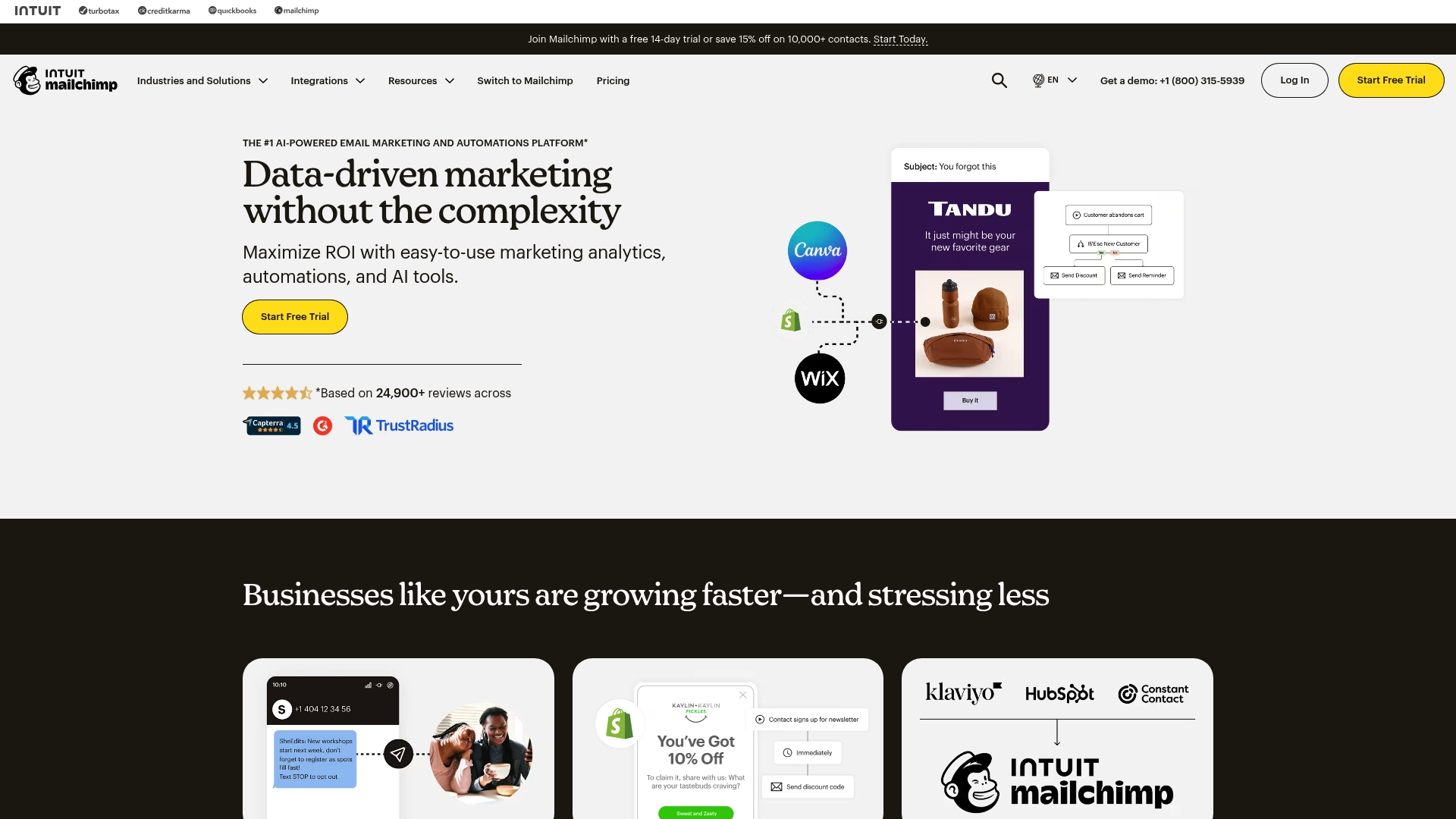
Mailchimp is an AI powered and data driven email marketing platform that blends automation with easy campaign management. It suits UK small businesses that want more targeted emails without hiring a marketing team.
Core Features
Mailchimp combines marketing automations, content creation tools, reporting and analytics, and a lead generation platform in one interface. The dashboard supports campaign creation, audience segmentation, automated journeys and performance reports that help you see which messages deliver sales.
Pros
-
Powerful AI tools and automation features: Mailchimp’s AI capabilities accelerate content creation and automate follow ups so you spend less time on routine tasks.
-
Extensive integrations and resources: The platform links with common e commerce and CRM systems and offers guides and professional services to shorten your learning curve.
-
Data driven and results focused approach: Built in analytics let you track opens clicks and conversions so you can refine campaigns based on clear metrics.
-
User friendly interface for managing campaigns: The visual editor and templates make it straightforward to build branded emails without technical skill.
-
Personalised onboarding and professional services: New accounts benefit from setup help and optional expert support to get campaigns running quickly.
Cons
-
Pricing can be complex for large contact lists: Costs rise steeply as your contact numbers grow and pricing tiers get harder to predict for expanding lists.
-
Some features may require technical expertise: Advanced segmentation and custom integrations need a basic grasp of APIs or developer help to implement effectively.
-
Customer service experiences vary: Support quality can differ between channels which means occasional delays for urgent issues.
Who It’s For
Mailchimp is aimed at small to medium sized businesses and e commerce stores that want an automated email system with growth tools. Non profits hospitality and entertainment operators will also find value in the templates segmentation and automation options.
Unique Value Proposition
Mailchimp’s strength is combining AI powered content tools with broad automation capabilities and hands on onboarding. That mix lets smaller teams produce professional campaigns and use performance data to improve return on marketing spend.
Real World Use Case
A small online store uses Mailchimp to send abandoned cart messages and to segment buyers by purchase history. The automation recovers lost sales and targeted promotions increase repeat purchases without extra daily work.
Pricing
Plans start with a free option for small contact lists with limited features and scale to paid plans that offer higher contact limits and additional tools. Exact cost varies by list size and selected features.
Website: https://mailchimp.com
Constant Contact
At a Glance
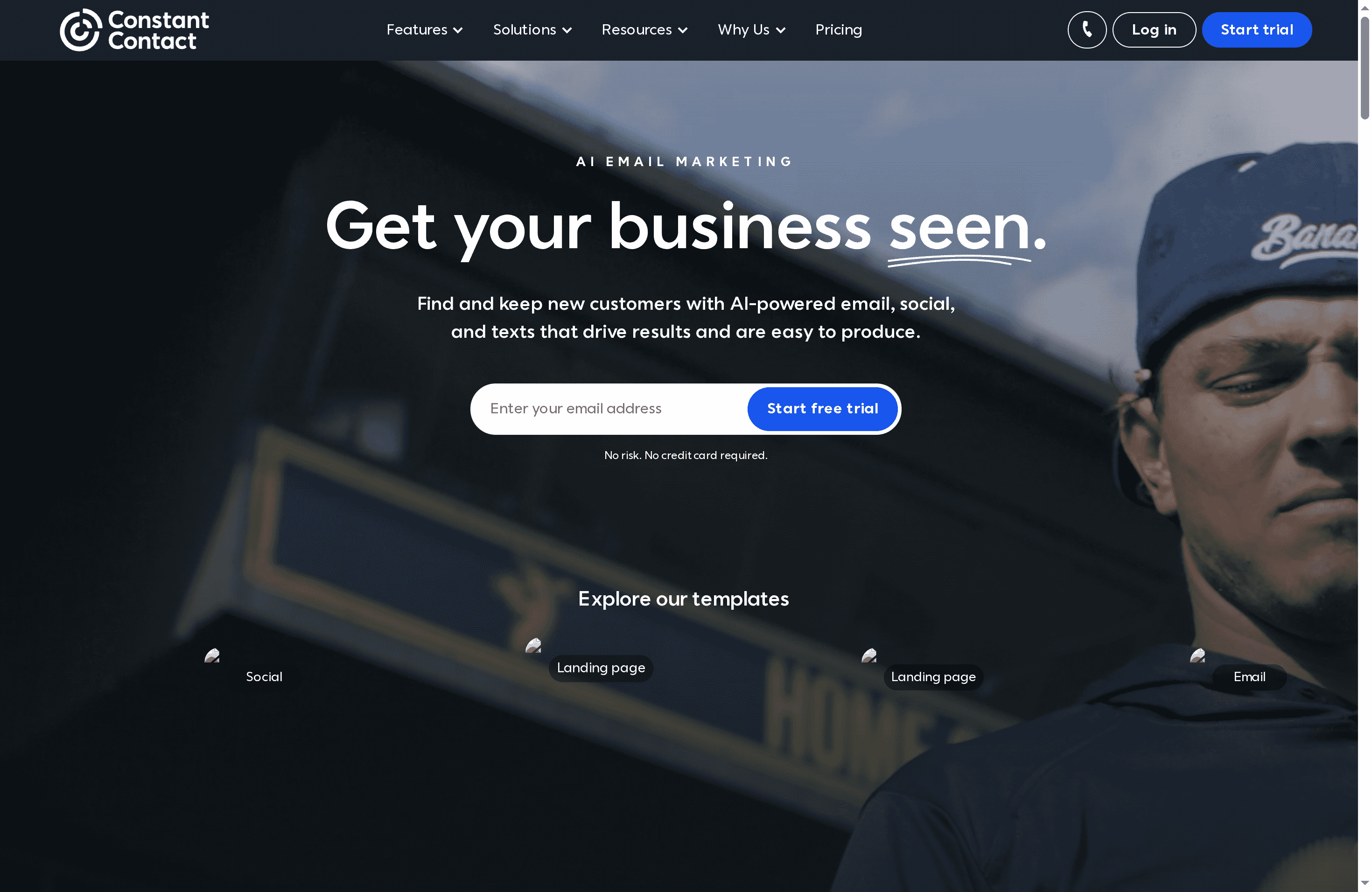
Constant Contact is an online marketing platform that specialises in email marketing while also offering social media management and analytics in a single interface. It is easy to use and aimed at small to medium-sized businesses that want straightforward marketing tools.
Core Features
The platform centres on email marketing campaigns and automation tools to help you send newsletters, promotional emails and automated follow ups. It also provides audience segmentation, A/B testing and analytics, and basic social media integration for cross channel activity.
Pros
- Easy to use interface: The platform presents a clean layout that reduces the learning curve for business owners and staff with limited marketing experience.
- Comprehensive marketing tools: You get email campaigns, list management, automation and analytics in one place so fewer tools are required.
- Good customer support: Support options are available to help resolve setup issues or campaign questions when you need assistance.
- Strong platform integration: Constant Contact connects with a range of other services so your contacts and sales data flow between systems.
- Scales with business: The service can grow from a handful of contacts to larger lists while keeping the same core workflow.
Cons
- Can be expensive for larger contact lists: Costs rise as your contact count increases which can make the service less cost effective for growing lists.
- Limited customisation compared to some competitors: Template and design controls are simpler which may restrict brands that need more bespoke layouts.
- Some features require additional costs: Certain advanced capabilities sit behind higher tiers or add ons which can inflate the final bill.
Who It’s For
Small to medium-sized businesses that want an all in one online marketing platform and prefer an easy to use solution will find this a sensible choice. Teams with limited dedicated marketing resource will appreciate the simplified setup and available support.
Unique Value Proposition
Constant Contact stands out for combining email marketing, automation and basic social media management in a single service that is approachable for non specialists. The value lies in getting essential marketing features without assembling multiple tools.
Real World Use Case
A small retail business uses Constant Contact to send weekly newsletters, promote new product ranges and automate follow up emails to customers who sign up in store. The owner can review open rates and A/B test subject lines to refine messaging.
Pricing
Pricing varies by contact volume and selected features with a free trial available and paid tiers that rise as your contact list grows. Expect costs to increase as you add contacts or purchase higher level features.
Website: https://constantcontact.com
Moosend
At a Glance
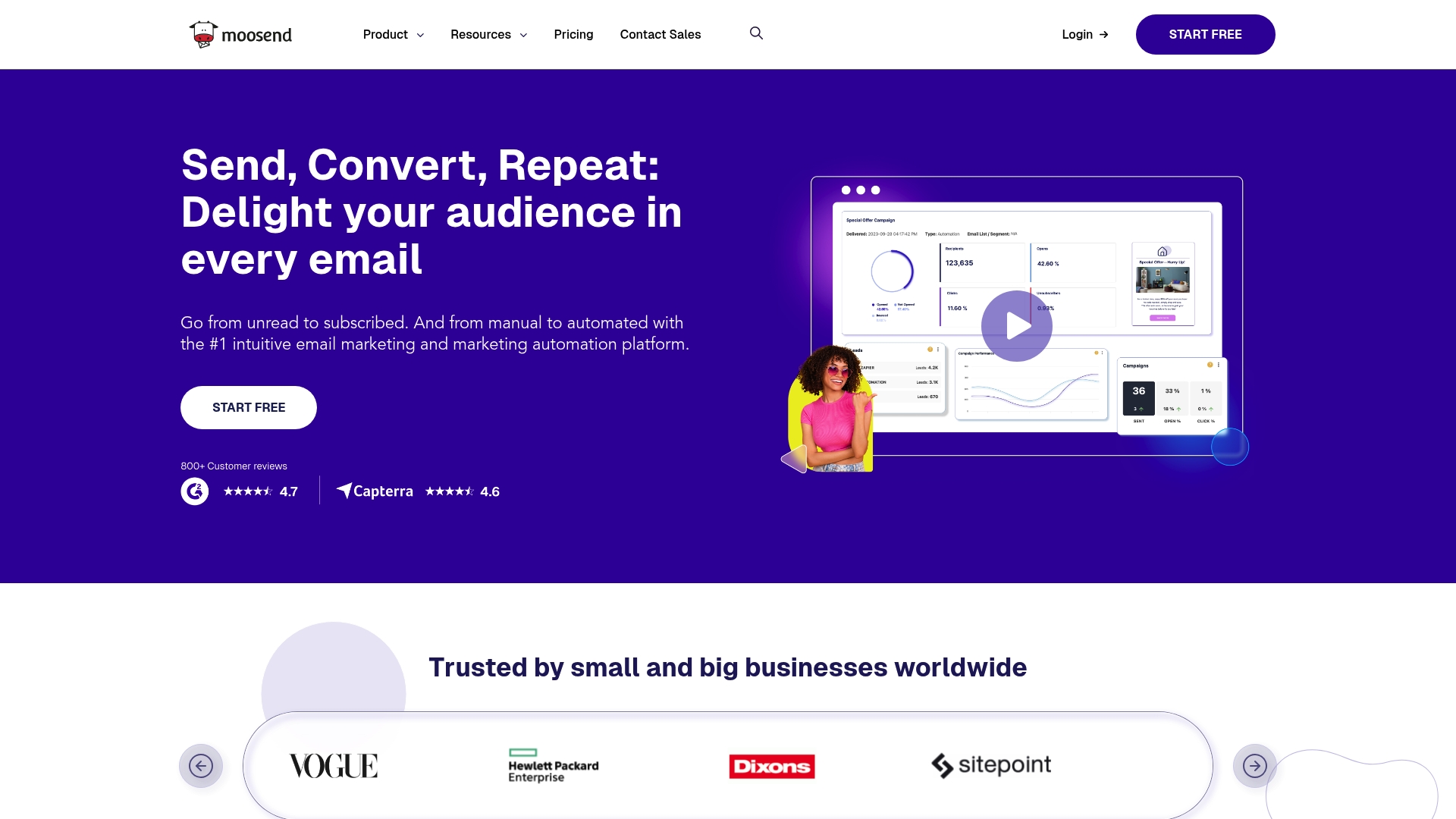
Moosend is a straightforward email marketing and automation platform that mixes easy campaign creation with advanced tools such as AI-powered content generation. It suits UK small businesses that want capable automation without enterprise complexity.
Core Features
Moosend combines campaign creation, personalisation, segmentation, A/B testing and reporting in one place to run targeted email programmes. The platform also provides a visual marketing automation workflow builder, landing pages, subscription forms and transactional emails via API and SMTP.
Pros
- User-friendly interface: The dashboard and professional templates make it quick for small teams to build polished campaigns without heavy training.
- Strong automation and segmentation: The visual workflow builder and behaviour tracking support tailored customer journeys that improve message relevance.
- AI content and insights: Built-in AI helps generate copy and surface audience opportunities, saving time when you have limited marketing resources.
- Integration and API support: A wide range of integrations and API access lets you connect Moosend to ecommerce platforms and CRMs you already use.
- Flexible billing options: Multiple payment choices such as pay-as-you-go, monthly, biannual and annual plans help match different cashflow patterns.
Cons
- Pricing transparency can vary for very small or very large lists, which makes exact budgeting harder for businesses with fluctuating contacts.
- Some advanced automation features and customisation options are less capable than high-end platforms, limiting complex, bespoke workflows.
- New users face a learning curve to master segmentation and automation best practice which can slow initial campaign rollout.
Who It’s For
Moosend fits small and growing businesses that need an all-in-one solution for newsletters, lead capture and automated emails without paying enterprise prices. It is particularly helpful for retail and service providers running promotions and abandoned cart recovery.
Unique Value Proposition
Moosend stands out for combining approachable design with automation depth and AI assistance, giving small teams tools usually found in higher priced platforms. The mix of landing pages, transactional email support and API access makes it a versatile single vendor choice.
Real World Use Case
A retail business uses Moosend to trigger abandoned cart emails, personalise product recommendations and publish landing pages for seasonal offers. The automated sequences recover lost sales and maintain consistent customer engagement with minimal hands on time.
Pricing
Paid plans start with a flexible pay monthly option and offer discounts for biannual and annual commitments. A free trial is available and final pricing depends on the number of contacts and selected features, so check the plan that matches your list size.
Website: https://moosend.com
Business-Specific Platforms and Tools Comparison
Below is a comprehensive comparison of platforms providing specialized tools and insights, catering to various business needs efficiently.
| Platform | Core Features | Pros | Cons | Pricing |
|---|---|---|---|---|
| KefiHub | Practical UK-specific insights, expert commentary, in-depth guides, localized case studies | Simplifies complex topics, wide topical coverage, continuously updated content | Focused on UK market only, no dedicated subscription model detailed | Content is freely accessible; specific subscription options unclarified |
| Mailchimp | Advanced email automation, audience segmentation, report analytics, extensive integrations | AI content tools, user-friendly campaign management, personalized onboarding | Pricing rises with contact list size, customer support quality varies between channels | Free plan available; prices scale based on contact number and features |
| Constant Contact | Email marketing automation, social media analytics, A/B testing | Easy-to-use design, comprehensive tools, robust support | Costs increase with contact list size, limited custom template options | Free tier; paid plans increase with contact count |
| Moosend | Visual workflow automation, AI content tools, subscriber segmentation | Flexible billing, professional templates, API access | Limited advanced features, learning curve during initial use | Pay-per-use plans; discounts for biannual and annual payments available |
Discover How to Maximise Your Email Marketing Success with Expert UK Insights
Small businesses often struggle with choosing the right email marketing tools and making the most of automation, audience segmentation and AI content creation. The challenge is clear – finding practical solutions that save time and boost customer engagement without needing technical expertise or a hefty marketing budget. This article highlights four powerful platforms designed to address these issues, helping you recover lost sales and increase repeat purchases efficiently.
At KefiHub, we understand these specific pain points faced by UK small business owners and professionals. Our platform provides trusted, actionable guidance tailored for the UK market so you can confidently select and implement digital marketing strategies that work in your local context. Explore our Digital Archives – Kefihub for in-depth advice on marketing automation and tools, or check our Business Archives – Kefihub to learn how smart marketing ties into overall growth and operations.
Take the next step now – visit KefiHub to access expert commentary, real-world examples and clear, jargon-free advice that empowers you to make informed decisions and get the best from email marketing platforms preventing costly missteps and unlocking growth potential.
Frequently Asked Questions
What features should I look for in email marketing tools for SMEs in 2026?
When selecting email marketing tools, focus on automation capabilities, ease of use, and analytics features. Ensure the platform allows you to segment your audience quickly and track engagement metrics to optimise your campaigns effectively.
How can I measure the success of my email marketing campaigns?
You can measure success by tracking key metrics such as open rates, click-through rates, and conversion rates. Set clear goals for each campaign and analyse these metrics to refine your strategies, aiming for a 10-20% improvement over time.
What is the role of automation in email marketing for SMEs?
Automation streamlines your email marketing efforts, enabling you to send targeted messages based on user behaviour without manual intervention. Implement automated workflows to nurture leads and reduce manual tasks, freeing up to 20 hours a month for other marketing activities.
How can I build a quality email list for my SME?
To build a quality email list, offer valuable content or incentives that encourage sign-ups, such as downloadable guides or discounts. Use lead generation forms on your website and social media to attract subscribers, aiming to add 50-100 new contacts per month.
How often should I send emails to my subscribers?
The optimal frequency for sending emails can vary, but a good starting point is once a week or bi-weekly. Test different frequencies and analyse engagement rates to find the right balance for your audience, adjusting based on response rates.
What type of content should I include in my email campaigns?
Include a mix of informative content, promotional offers, and updates about your business to engage your audience. Use varying formats such as newsletters, product recommendations, and personalised messages to maintain interest and drive engagement.
Recommended
- Top 6 Email Marketing Platforms UK for 2026 Buyers – Kefihub
- 7 Effective Marketing Strategies for SMEs to Drive Growth – Kefihub
- Business Automation Explained: Practical Gains for SMEs – Kefihub
- Role of Analytics in Growth: UK SME Impact – Kefihub