
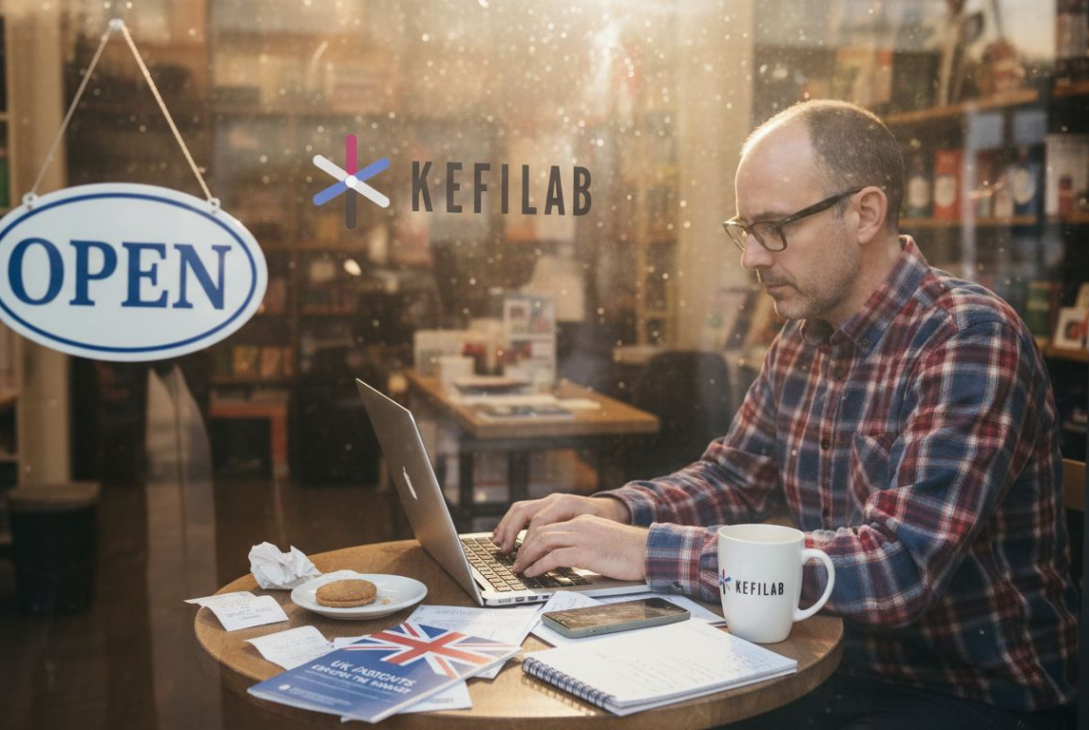
Appearing at the top of search results is a challenge every small business owner faces. Potential customers are searching for products and services right now, but finding your website among competitors often feels uncertain. There is a proven way to attract more qualified visitors and connect directly with your ideal audience.
By mastering practical SEO strategies, you can increase your visibility and make your website work harder for your business. This guide offers clear, actionable steps that help you understand keyword research, optimise your on-page content, and use free tools to track real progress.
Get ready to discover effective techniques that put you ahead. Each insight is designed to help you solve common SEO problems and drive consistent growth, so you never miss out on opportunities to reach nearby customers and build lasting trust online.
Table of Contents
- Understand Keywords Relevant to Your Business
- Optimise On-Page Content for Search Engines
- Enhance Website Speed and Mobile Experience
- Build Trust Through Quality Backlinks
- Use Local SEO to Connect with Nearby Customers
- Monitor Performance Using Free SEO Tools
- Partner with Kefilab for Expert SEO Support
Quick Summary
| Key Message | Explanation |
|---|---|
| 1. Conduct Thorough Keyword Research | Identify relevant keywords to enhance search engine performance and attract targeted traffic to your website. |
| 2. Optimise On-Page Elements | Focus on title tags, meta descriptions, and content structure to improve user experience and search engine recognition. |
| 3. Improve Website Speed and Mobile Experience | Enhance loading times and ensure a responsive design to retain visitors and meet search engine criteria. |
| 4. Acquire Quality Backlinks | Build credibility by obtaining backlinks from authoritative sites, which can boost your website’s search rankings. |
| 5. Leverage Local SEO Strategies | Optimise your online presence for local searches to draw in nearby customers and increase foot traffic. |
1. Understand Keywords Relevant to Your Business
Keyword research is the foundation of effective SEO strategy for small businesses seeking to improve their online visibility. By identifying the specific words and phrases potential customers use when searching for products or services, you can dramatically enhance your website’s search engine performance.
Effective keyword research helps you understand user search intent and target the right audience. This process involves:
- Discovering terms directly related to your business offerings
- Identifying long-tail keywords with lower competition
- Understanding the language your potential customers use
Small businesses can benefit significantly from carefully selecting relevant keywords that match their specific products or services. By considering different contexts and potential search variations, you can improve your website’s search relevancy and attract more qualified traffic.
Targeting the right keywords means speaking your customers’ language and appearing exactly where they’re looking.
To start your keyword research, use free tools like Google Keyword Planner or SEMrush to explore search volumes and competition levels. Focus on keywords that are:
- Specific to your business niche
- Have reasonable search volume
- Show clear commercial or informational intent
Pro tip: Consider local keywords that include your city or region to attract nearby customers and improve local search visibility.
2. Optimise On-Page Content for Search Engines
On-page SEO is the cornerstone of improving your website’s search engine visibility and attracting potential customers. By strategically optimising your web content, you can significantly enhance your site’s performance in search results.
Your on-page SEO efforts should focus on several critical elements:
- Crafting compelling and keyword-rich title tags
- Creating descriptive meta descriptions
- Structuring headers with relevant keywords
- Optimising image alt text
- Ensuring high-quality, relevant content
On-page SEO optimisation involves more than just inserting keywords. It’s about creating a seamless user experience that search engines will recognise and reward.
Search engines prioritise websites that provide clear, valuable, and well-structured content.
When optimising your content, consider these key strategies:
- Use your primary keyword in the first 100 words
- Break content into digestible sections with descriptive subheadings
- Include internal and external links to authoritative sources
- Ensure your content answers specific user questions
Technical elements matter just as much as content quality. Ensure your website loads quickly, is mobile-responsive, and has a clean, intuitive structure.
Pro tip: Use free tools like Google’s PageSpeed Insights to identify and fix technical SEO issues that might be hindering your website’s performance.
3. Enhance Website Speed and Mobile Experience
In today’s digital landscape, your website’s speed and mobile performance are critical factors that directly impact your search engine rankings and user engagement. With mobile searches now dominating online traffic, ensuring a smooth mobile experience is no longer optional for small businesses.
Responsive web design is the foundation of a great mobile user experience. This approach ensures your website adapts seamlessly across different devices and screen sizes.
Key elements to focus on include:
- Reducing image file sizes
- Minimising server response times
- Implementing browser caching
- Using mobile-friendly navigation
- Eliminating unnecessary code
A one-second delay in page load time can reduce conversions by up to 7%.
Practical steps to improve website performance:
- Use Google PageSpeed Insights to diagnose issues
- Compress and optimise all images before uploading
- Choose a reliable, fast web hosting provider
- Enable browser caching
- Minimise HTTP requests
Mobile responsiveness is no longer negotiable. Your website must provide an excellent experience on smartphones and tablets to retain visitors and satisfy search engine algorithms.
Pro tip: Test your website on multiple devices and use free tools like Google’s Mobile-Friendly Test to identify and resolve any mobile compatibility issues.
4. Build Trust Through Quality Backlinks
Backlinks are the digital world’s version of professional recommendations, serving as powerful endorsements that can significantly boost your website’s credibility and search engine rankings. For small businesses, understanding and strategically building quality backlinks is crucial to establishing online authority.
Backlinks signal website credibility by demonstrating that reputable sources trust your content. Think of them as votes of confidence from other websites in your industry.
Key characteristics of valuable backlinks include:
- Links from high-authority websites
- Relevance to your business sector
- Organic and naturally acquired links
- Diversity of linking domains
- Links from websites with genuine traffic
Not all backlinks are created equal. Quality trumps quantity every time.
Strategies for acquiring quality backlinks:
- Create exceptional, shareable content
- Guest post on reputable industry blogs
- Participate in local business directories
- Engage in industry forums and discussions
- Collaborate with complementary businesses
Domain authority matters immensely. A single backlink from a well-respected website can be more valuable than dozens of low-quality links.
Pro tip: Use free tools like Moz’s Domain Authority Checker to evaluate the potential quality of websites before pursuing backlink opportunities.
5. Use Local SEO to Connect with Nearby Customers
Local SEO is a powerful strategy that helps small businesses become the go-to solution for customers searching within their immediate geographical area. By optimising your online presence for local searches, you can attract more nearby customers and increase foot traffic to your business.
Local search engine optimisation targets customers who are actively looking for services in their neighbourhood or city.
Key elements of successful local SEO include:
- Claiming and optimising your Google Business Profile
- Ensuring consistent business name, address, and phone number across platforms
- Generating local customer reviews
- Creating location-specific content
- Adding local structured data to your website
Your local online presence is your digital storefront. Make it count.
Practical steps to improve local SEO:
- Verify your Google Business Profile
- Add precise location information to your website
- Encourage customer reviews on Google
- Create content about local events or community activities
- Use location-specific keywords in your website content
Geographical targeting matters significantly. Customers prefer businesses that understand and engage with their local community.
Pro tip: Use free tools like Google Maps and Google Business Profile to track and improve your local search visibility, focusing on accurate business information and recent customer interactions.
6. Monitor Performance Using Free SEO Tools
Tracking your website’s SEO performance is crucial for understanding what’s working and identifying areas for improvement. With numerous free tools available, small businesses can now gain powerful insights without breaking the bank.
SEO audits help track website performance by providing comprehensive analysis of your digital presence.
Essential free SEO tools include:
- Google Search Console
- Google Analytics
- Google PageSpeed Insights
- Bing Webmaster Tools
- Ubersuggest
- SEMrush Free Version
Data-driven decisions beat guesswork every single time.
Key performance metrics to monitor:
- Organic search traffic
- Keyword rankings
- Page load speeds
- Bounce rates
- Click-through rates
Website analytics reveal hidden opportunities. Regular monitoring allows you to adapt your strategy quickly and effectively.
Pro tip: Schedule a monthly 30-minute review of your SEO tools to catch trends, celebrate improvements, and address any emerging performance issues promptly.
7. Partner with Kefilab for Expert SEO Support
Navigating the complex world of SEO can be challenging for small businesses, which is why partnering with expert support like Kefilab can transform your digital marketing strategy. Professional guidance helps you stay ahead of constantly evolving search engine algorithms and digital marketing trends.
Digital growth strategies for small businesses require specialised knowledge and strategic implementation.
Benefits of working with Kefilab include:
- Customised SEO strategies tailored to your business
- Advanced keyword research and analysis
- Comprehensive website audits
- Ongoing performance monitoring
- Local SEO optimisation
- Algorithm change adaptation
Expert support turns complexity into a competitive advantage.
Strategic partnership steps:
- Schedule an initial consultation
- Discuss your specific business goals
- Develop a personalised SEO roadmap
- Implement recommended strategies
- Review and refine performance quarterly
Expert support accelerates digital success. Kefilab provides the specialised knowledge small businesses need to compete effectively online.
Pro tip: Request a free initial SEO assessment to understand your current digital positioning and potential growth opportunities.
Below is a comprehensive table summarising the key strategies, benefits, and implementation steps highlighted in the article about optimising SEO for small businesses.
| SEO Strategy | Implementation Steps | Benefits |
|---|---|---|
| Keyword Research | Identify relevant keywords using tools like Google Keyword Planner; focus on long-tail and niche-specific terms. | Improved relevance and increased qualified traffic. |
| On-Page Content Optimisation | Use primary keywords in content; ensure quality meta descriptions, headers, and internal/external linking. | Enhanced user experience and better search engine rankings. |
| Website Speed and Mobile Experience | Optimise images; utilise browser caching and ensure responsive mobile design using testing tools. | Increased user retention and higher ranking for mobile users. |
| Building Quality Backlinks | Acquire links from reputable, relevant sites; create shareable content and participate in industry discussions. | Increased domain authority and enhanced credibility. |
| Local SEO | Optimise Google Business Profile; include location-specific keywords and encourage customer reviews. | Greater local customer visibility and engagement. |
| Monitoring Performance | Use tools like Google Analytics and SEMrush to track key metrics such as traffic and bounce rates. | Data-driven optimisation and long-term SEO improvement. |
| Partnering with Experts | Work with professionals like Kefilab for customised strategies and ongoing support. | Accelerated growth and adaptation to SEO trends. |
Boost Your Small Business SEO with Expert Guidance from KefiHub
Struggling to navigate the challenges of optimising your website for UK search engines Often small business owners face hurdles like choosing the right keywords improving on-page content and enhancing local SEO without clear direction That is why KefiHub offers practical, reliable insights designed specifically to help you overcome these obstacles and grow your online presence With focused advice on keyword research, site speed, backlinks and local search optimisation, you can achieve measurable results and connect with your target audience more effectively
Dive deeper into proven digital strategies by exploring our Digital Archives – Kefihub for up-to-date tips and expert commentary Build confidence in your approach and act now to secure your competitive edge Visit KefiHub for tailored support and practical solutions designed for UK small businesses Ready to transform your SEO strategy Start by browsing our Featured Archives – Kefihub and take the next step towards digital success today
Frequently Asked Questions
How can I conduct keyword research for my small business in the UK?
To conduct keyword research, start by identifying the terms and phrases potential customers use to search for your products or services. Use free tools to explore search volumes and competition levels for these keywords, focusing on specific, long-tail keywords that reflect user intent.
What are effective ways to optimise on-page content for search engines?
You can optimise on-page content by crafting compelling title tags, creating descriptive meta descriptions, and structuring headers with relevant keywords. Ensure that your primary keyword appears within the first 100 words of your content, and add internal links to enhance user engagement.
How can I improve my website’s speed and mobile experience?
To enhance website speed and mobile experience, aim to reduce image file sizes and implement browser caching. Regularly test your website on different devices and aim for a page load time of under three seconds to improve user retention and search rankings.
What steps can I take to build quality backlinks for my small business?
To build quality backlinks, create exceptional content that others want to share, and consider guest posting on reputable blogs in your industry. Engaging in local business directories and forums is also beneficial for increasing your site’s authority and visibility.
How does local SEO benefit small businesses in attracting nearby customers?
Local SEO helps small businesses improve their visibility in local searches by optimising their online presence, such as claiming and enhancing their Google Business Profile. By incorporating location-specific keywords and generating customer reviews, you can attract more local customers and increase foot traffic to your business.
What are some free tools I can use to monitor my SEO performance?
You can use free tools like Google Search Console and Google Analytics to track key performance metrics such as organic search traffic, keyword rankings, and page load speeds. Set up monthly reviews to analyse this data, allowing you to adjust your SEO strategies effectively.
Recommended
- 7 Effective Marketing Strategies for SMEs to Drive Growth – Kefihub
- Why Build a Website: Boosting UK Small Businesses – Kefihub
- 7 Smart Brand Building Tips for UK Small Businesses – Kefihub
- Networking for SMEs Guide: Build Connections for Growth – Kefihub